Whether you’re heading out for a bike ride, commuting, traveling and taking photos, or enjoying an afternoon stroll, sunglasses are a practical accessory that can effortlessly elevate your look. But choosing the right pair isn’t just about style—lens grade, materials, UV protection, and overall wearing comfort all make a real difference, and each detail matters. That’s why this article goes beyond the basics: we’ll break down eight key principles for choosing sunglasses, and also round up the hottest 2026 styles and design trends. From performance to aesthetics, you’ll get a complete overview—so you can easily find the pair of shades that truly suits you.
Table of Content
- Sunglasses Buying Guide: Top 8 Key Points — Understand colors, materials, and features at a glance
- Sunglasses Selection Guide: Choose the Best Pair Based on Your Needs
- What Sunglasses Are Trending in 2026?
- Sunglasses Q&A
- Sino Optical — 40 Years of Professional Eyewear Manufacturing, Creating High-Quality Sunglasses
- Further Reading
Sunglasses Buying Guide: Top 8 Key Points — Understand colors, materials, and features at a glance
Have you ever had an uncomfortable experience wearing sunglasses? For example, feeling pressure after wearing them for a short time, noticing your vision becoming unclear, or even still being bothered by glare and reflections despite wearing dark lenses. In fact, most of these issues are closely related to lens grade, materials, and frame structure. To help you better understand what causes discomfort—and how to avoid it—here are 8 key principles for choosing sunglasses, so you can quickly learn what to look for:
● UV Protection Certification
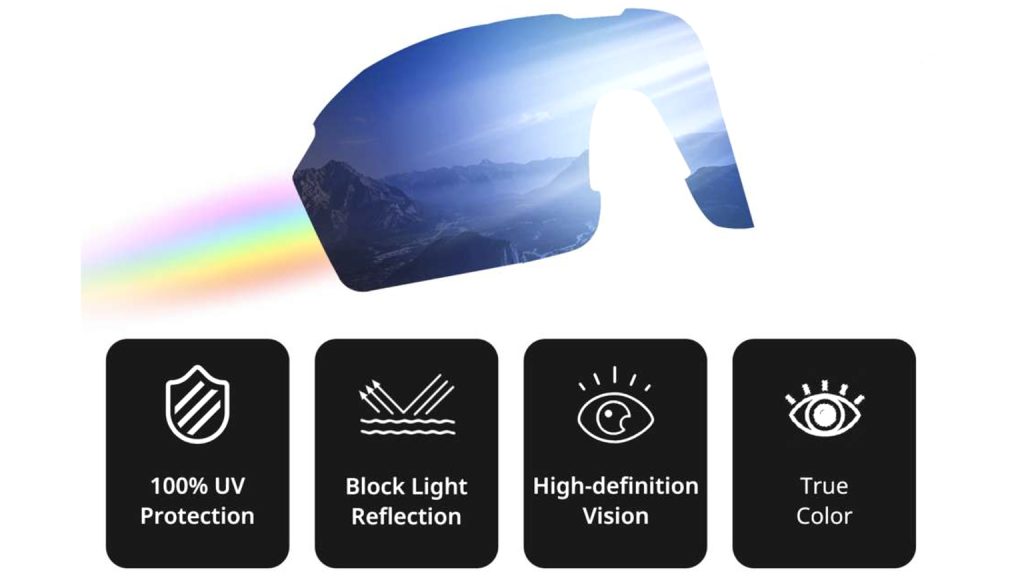
When choosing sunglasses, the first thing to check is whether the lenses are labeled “UV400.” This means they can block 99.9% of UV rays as well as blue light with wavelengths below 400 nm. If the lenses look very dark and seem “good at blocking sunlight” but haven’t passed UV protection standards, they can actually be more harmful: the darkness makes your pupils dilate, which may cause your eyes to absorb even more UV radiation, increasing the risk of eye damage.
● Visible Light Transmittance (VLT) Level
A sunglass lens’s visible light transmittance (VLT) directly affects how much light reaches your eyes, and different levels are suitable for very different environments. In Taiwan, classifications often follow CNS 15067, which divides VLT into Levels 0–4. It’s recommended to choose the right level based on how and where you plan to use them:
| Category | VLT Range | Best For |
|---|---|---|
| Category 0 | 80%~100% | Indoor, nighttime, low-light environments; mainly for wind/dust protection |
| Category 1 | 43%~80% | Overcast days or soft lighting conditions |
| Category 2 | 18%~43% | The most common level; ideal for daily outings and commuting |
| Category 3 | 8%~18% | Strong sunlight activities—beach, hiking, outdoor sports, etc. |
| Category 4 | 3%~8% | Maximum light blocking; typically for extreme brightness such as snowfields or glaciers |
● Wearing Comfort & Stability
Comfort and stability are crucial when wearing sunglasses, because they directly affect how long you can wear them and whether they feel secure. If you experience pressure, slipping, or even dizziness, it’s often related to the nose pad design, frame weight, and temple (arm) angle:
- Nose pads:If the material is too hard or the angle doesn’t fit well, it can leave red marks or cause discomfort on the bridge of your nose. Consider adjustable nose pads or softer materials, which tend to fit Asian face shapes better and improve comfort for long wear.
- Frame weight:Lighter materials help reduce pressure. If the weight is also evenly distributed, it can prevent localized pressure points and reduce fatigue during extended wear.
- Temple (arm) angle:Temples that are too tight can press on your temples; too loose and the glasses may slide off—especially when you look down or sweat. When trying on sunglasses, gently shake your head and tilt it slightly downward to see whether the frame stays stable, ensuring both comfort and safety.
● Lens Color
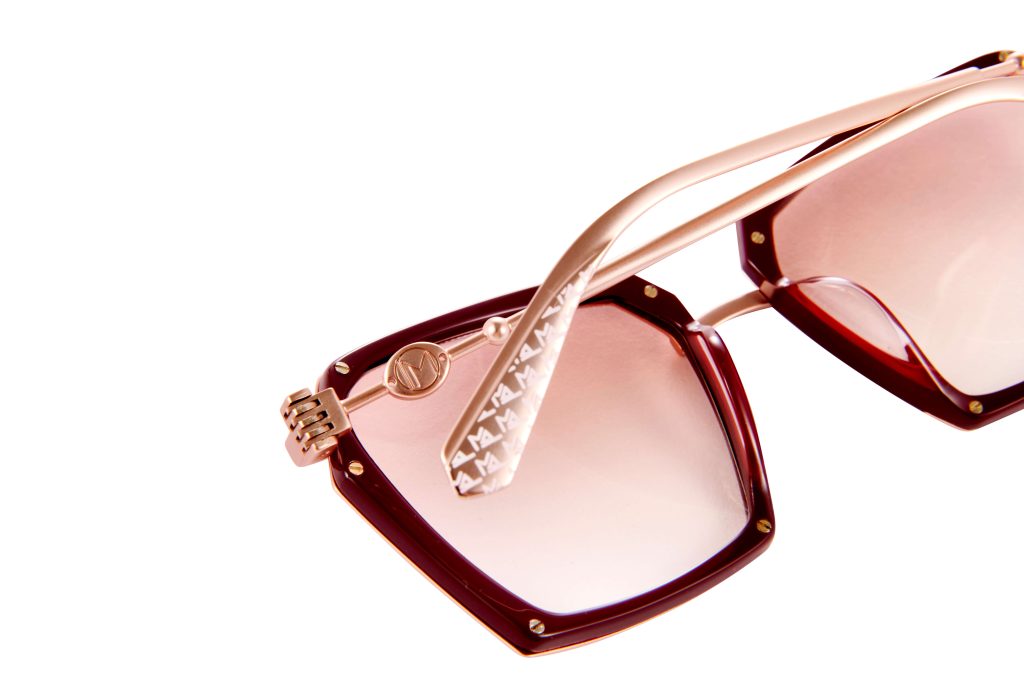
Do you choose your sunglasses lens color mainly based on how they look? That’s a common mistake many people make. Lens color isn’t just a style difference—each tint changes the brightness, contrast, and color accuracy of what you see, which can lead to very different visual experiences in different environments. Below are three of the most common lens color options, along with their characteristics and recommended use cases:
- Smoke Lens:The tint closest to natural vision. Gray lenses evenly reduce light across the spectrum, helping colors stay true and keeping your view stable and comfortable. They’re ideal for everyday wear—whether you’re commuting, driving, or traveling—offering reliable light control and all-day comfort.
- Brown / amber lens:Great for enhancing contrast and making outlines appear sharper. They work especially well in changeable weather or bright conditions, such as hiking and other outdoor activities.
- Green (G15) lens:A balance between gray and brown. They maintain relatively natural color perception while slightly boosting contrast. This makes them a popular choice for outdoor enthusiasts—driving, golf, fishing, and beach activities are all great scenarios for green-tinted lenses.
If you want sunglasses that truly feel comfortable and provide clear vision, don’t choose lens color based only on what “matches” your outfits. Instead, decide based on your usage needs, lighting conditions, and visual preferences—so your sunglasses can perform at their best.
● Lens Material
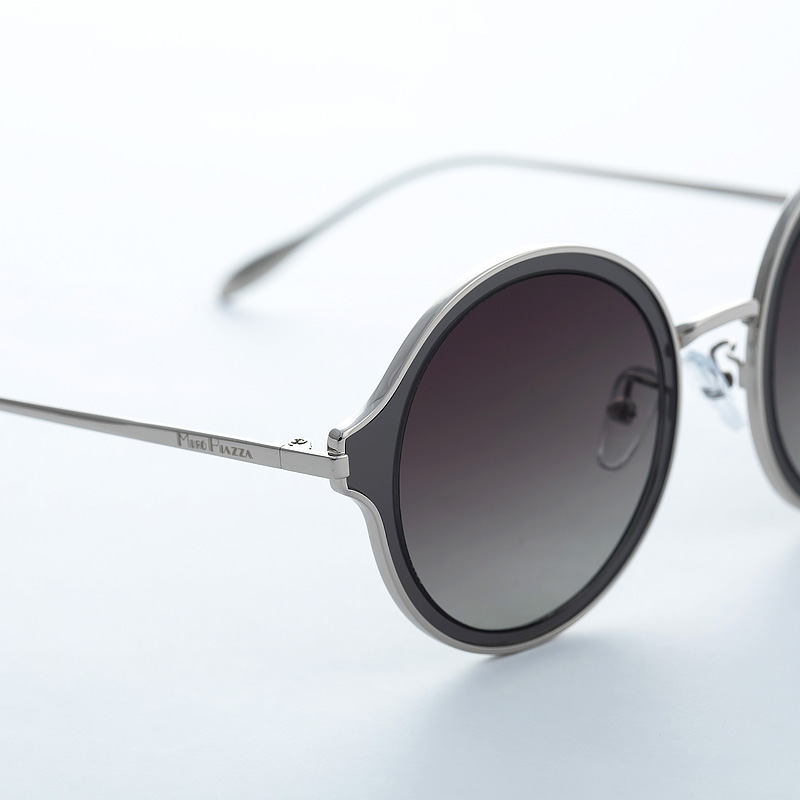
Sunglass lenses on the market generally fall into four main material types, and each one offers different optical performance and is suited to different users. To help you quickly understand the differences, the table below summarizes the pros, cons, and best-use scenarios for each material—so you can choose with more confidence.
| Lens Material | Advantages | Disadvantages | Best Use / Recommended For |
|---|---|---|---|
| Glass | Excellent optical clarity; highly scratch-resistant | Heavier; lower impact resistance | Those who prioritize the sharpest vision quality; drivers; low-impact/static activities; detail-oriented users |
| PA (Nylon / Polyamide) | High impact resistance; good clarity; lightweight | Higher price | Sports and outdoor users; hiking; long hours outdoors; anyone needing extra durability |
| TAC (Polarized) | Strong polarization performance; more affordable | Scratches more easily; less durable | Daily commuting; short-term wear; budget-conscious users who still want polarized lenses |
| PC (Polycarbonate) | Lightweight; impact-resistant | Optical clarity not as high as glass | Outdoor sports; cycling; beach/water activities; those who prioritize impact resistance |

● Frame Material & Wearing Comfort
The material of a sunglass frame directly affects its weight, comfort, and durability, so choosing the right one is even more important than you might think. Below is a comparison of common frame materials, including their key features and ideal use cases:
| Frame Material | 特色 | Advantages | Disadvantages | Best Use / Recommended For |
|---|---|---|---|---|
| TR90 | Lightweight, flexible | Extremely comfortable; sweat-resistant | Can feel more “plasticky” | Commuters; long-hour wearers; people who sweat easily |
| TPEE | Highly elastic and durable | Less likely to break; “memory” flexibility | Fewer color/style variations | Sports users; children; anyone who needs a tough |
| Stainless Steel | Clean, structured, stable | Refined look; durable; good value | May feel uncomfortable after long wear | Business professionals; fans of thin metal frames |
| Titanium | Premium lightweight metal | Ultra-light; hypoallergenic; strong | Higher price | People with metal sensitivities |
| 醋酸纖維 | High-end feel, highly customizable | Rich colors; skin-friendly; adjustable fit | Heavier than metal and TR90 | Style-focused users; fashion styling |

● Designs That Fit Asian Face Shapes
Many Asian faces share features such as a lower nose bridge, higher cheekbones, and a face shape that may be narrower or shorter. If the frame doesn’t fit well, it may not only slip down or cause pressure, but can also make your facial proportions look less balanced. To help you find the most flattering style more easily, the table below summarizes common Asian face shapes and recommended frame styles. In the chart: “O” = recommended, “△” = worth trying, and “X” = not recommended—so you can quickly see which frames suit you best and which ones to avoid.
| Face Shape | Aviator | Square | Rectangle | Round | Oval | Boston | Wellington |
|---|---|---|---|---|---|---|---|
| Square Face | △ | X | X | O (softens angles) | O (softens angles) | O (wider top, narrower bottom) | △ |
| Round Face | △ | O (adds definition) | O (elongates the face) | X | X | X | X |
| Long Face | △ | O (balances a long, narrow face) | X | O (balances a long, narrow face) | O (balances a long, narrow face) | △ | △ |
| Diamond Face | △ | X | X | O (softens the jawline) | O (smooths overall contours) | △ | △ |
| Oval Face | O | O | O | O | O | O | O |
● Specialized Lens Features
Beyond basic UV protection and glare reduction, modern sunglasses have evolved with a variety of advanced lens options—so you can enjoy clearer, more comfortable vision in different everyday situations. Below are four of the most common specialized lens features:
| Lens Feature | What It Does | When Wearing It | Recommended Use |
|---|---|---|---|
| Polarized Lens | Filters reflected light from surfaces like water and roads | Significantly reduces glare; clearer view; less eye strain | Drivers; fishing; water sports; beaches and other high-glare environments |
| Photochromic | Automatically darken/lighten based on UV intensity | Clear indoors; darken outdoors automatically—no need to switch glasses | Commuters; outdoor activities; anyone who wants one pair for multiple settings |
| Blue Light Blocking Lens | Filters part of high-energy blue light | More comfort during long screen time; reduced visual fatigue | People who use computers/phones for long hours |
| Colored / Mirrored Lens | Adjusts lens tint or surface reflectivity | More stylish look while fine-tuning brightness and visual tone | Younger users; fashion-focused wearers; those who want a stronger style statement |
(Further Reading: Sunglasses Lens Grade Overview: Complete Analysis of 5 Lens Types - Choose the Right Style with Confidence!)
Sunglasses Selection Guide: Choose the Best Pair Based on Your Needs
We’ve covered the key points for choosing sunglasses above. But if you don’t want to spend time comparing specs and simply want a quick answer to “Which sunglasses should I choose for different situations?”, the section below is for you. Based on common everyday scenarios, Sino Optical has put together recommended lens configurations and frame pairings—so you can match your needs and find the right sunglasses faster.
| Scenario | Recommended Lenses | Frame Pairing | Key Notes |
|---|---|---|---|
| Driving | Category 2–3 tint + polarized lenses | Stable, secure frame | Polarization helps eliminate glare reflected from roads and vehicles, improving contrast and clarity. |
| Beach / Strong sunlight outdoors | Category 3 tint + polarized lenses | High-wrap / full-coverage frame | In intense sunlight and high-reflection environments, you’ll want both a higher tint level and polarization for added protection. |
| Hiking / Sports | Impact-resistant lenses (PC / nylon) | High-wrap / full-coverage frame | Movement and impacts are more likely during sports, so lenses should be highly impact-resistant. |
| Daily commuting | Category 2–3 tint | Versatile, easy-to-match frame | Prioritize comfort and lightweight design. Classic frame styles are also less likely to go out of fashion. |
| Fashion & styling | Colored lenses / mirrored (coated) lenses | Statement / fashion-forward frame | Focus on overall look and style—basic UV protection is usually sufficient. |

What Sunglasses Are Trending in 2026?
Once you’ve confirmed the right lens grade and chosen based on your wearing needs, you can feel more confident shifting your focus to look and style. Overall, 2026 sunglasses trends emphasize “performance that delivers, with bolder, more statement-making designs.” Below are five key directions to help you quickly grasp what’s driving today’s designs:
● Futuristic Tech Frames
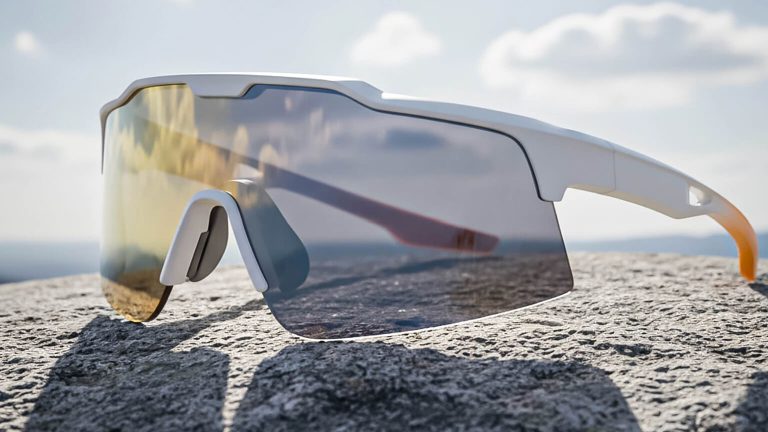
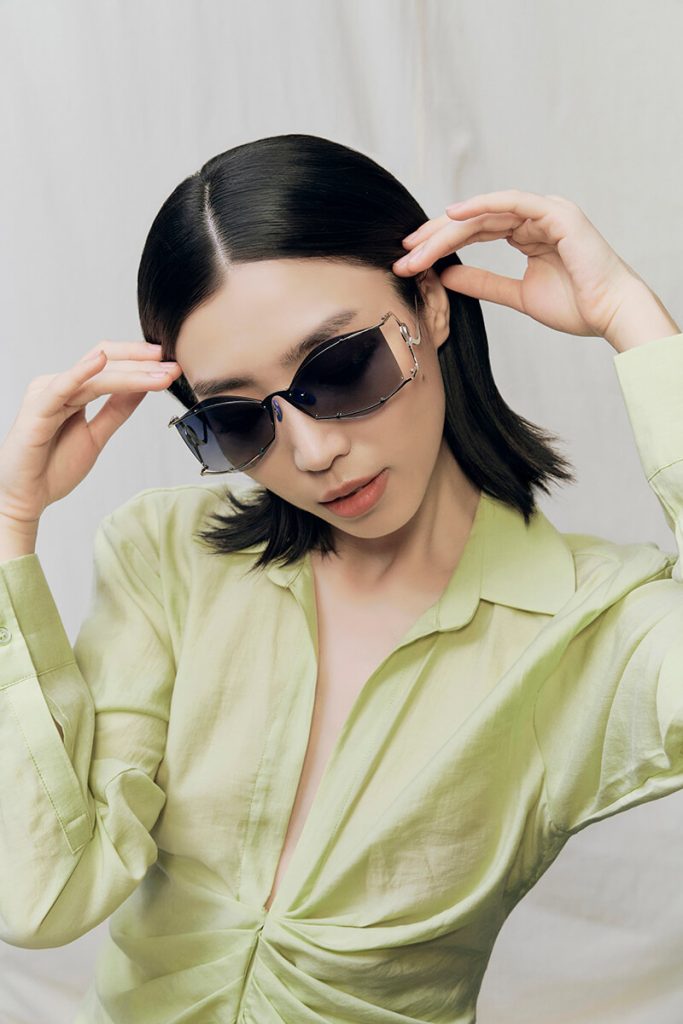
In recent years, sunglass design has been clearly influenced by sport-inspired aesthetics and advancements in technology, evolving into more forward-looking, futuristic frame styles. These tech frames often combine streamlined silhouettes, shield-style one-piece lenses, and high-wrap structures, creating a strong sense of modern, high-tech style—while still offering solid functionality and everyday practicality. They’re especially suitable for people who enjoy athleisure/functional outfits or prefer a more tech-forward look.
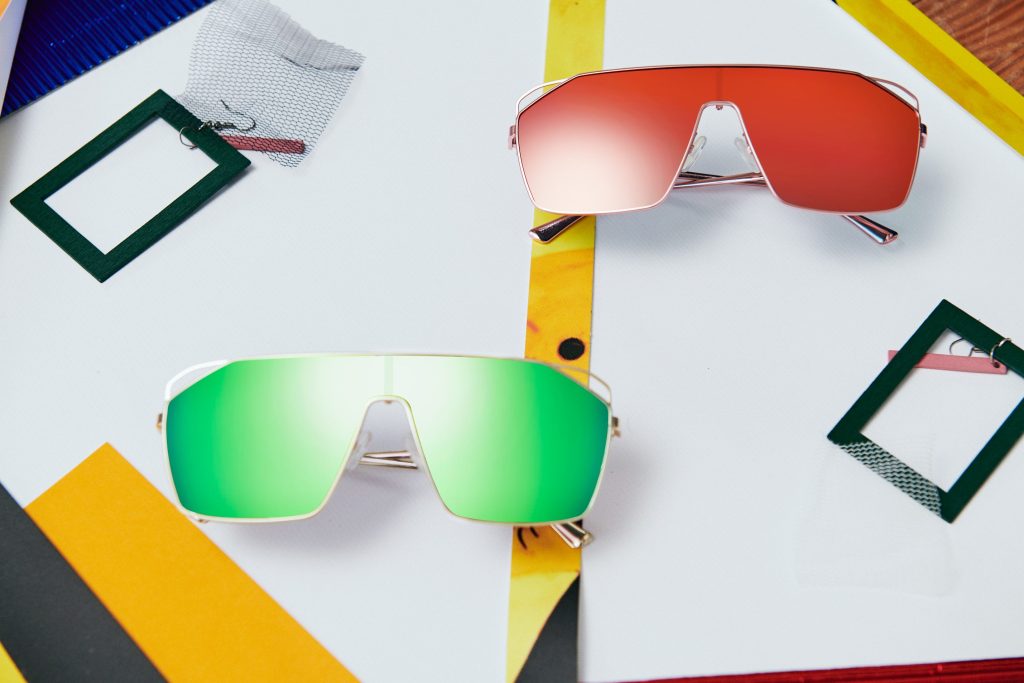
● Oversize Shield 2.0
In 2026, oversized shield sunglasses still hold a strong place in the spotlight—but the design focus is no longer simply “the bigger, the more eye-catching.” Compared with the exaggerated, flashy looks of the past, the new generation of Oversize Shield styles pays more attention to balanced proportions and structural details. Through variations in frame line thickness, along with carefully designed lens curvature and angled cuts, they create a bold aesthetic that feels striking—without becoming over-the-top.
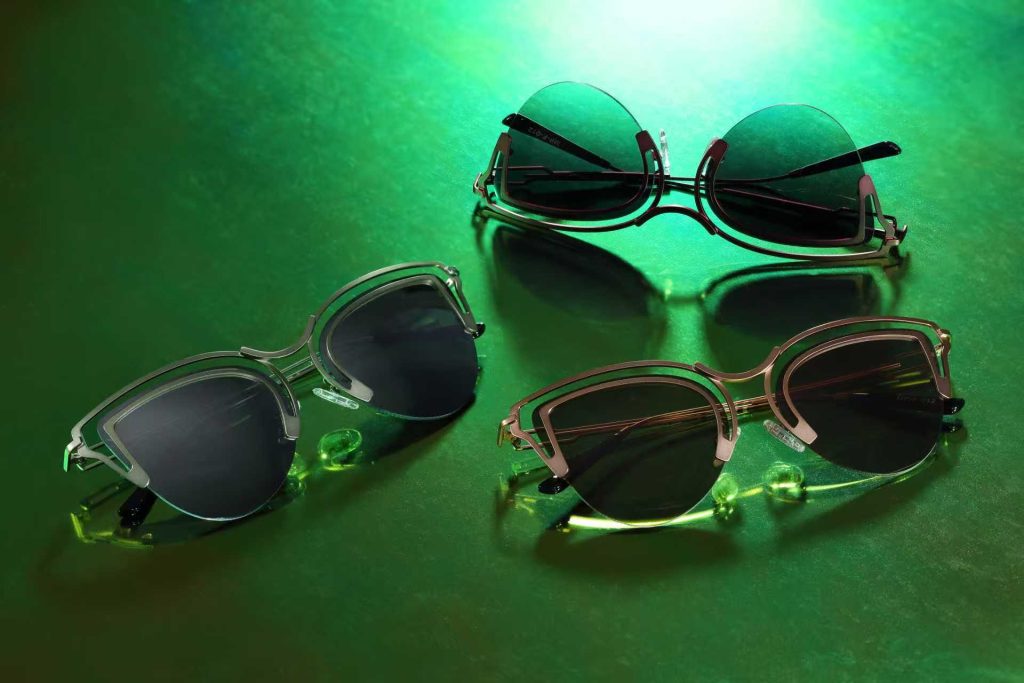
● Ultra-Slim Minimalist
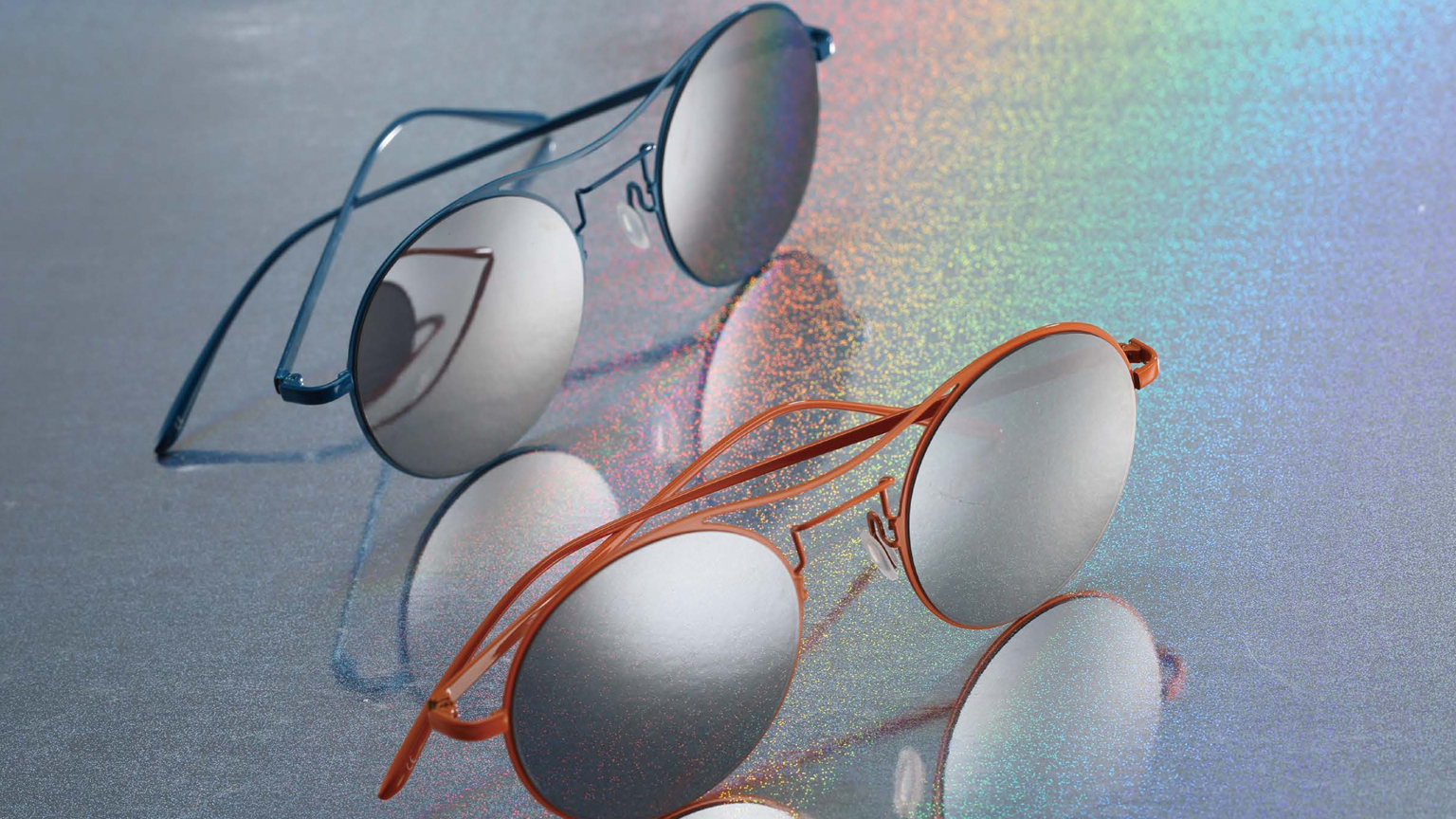
Ultra-slim minimalist styles don’t aim for dramatic shapes. Instead, they highlight the wearer’s taste through refined metallic textures, clean, well-balanced lines, and subtle details such as a double bridge. These frames are often made with titanium or stainless steel, offering the benefits of being lightweight and comfortable—ideal for long hours of wear. They also blend naturally into both business and everyday outfits, creating a minimalist look that’s practical, timeless, and easy on the eyes.
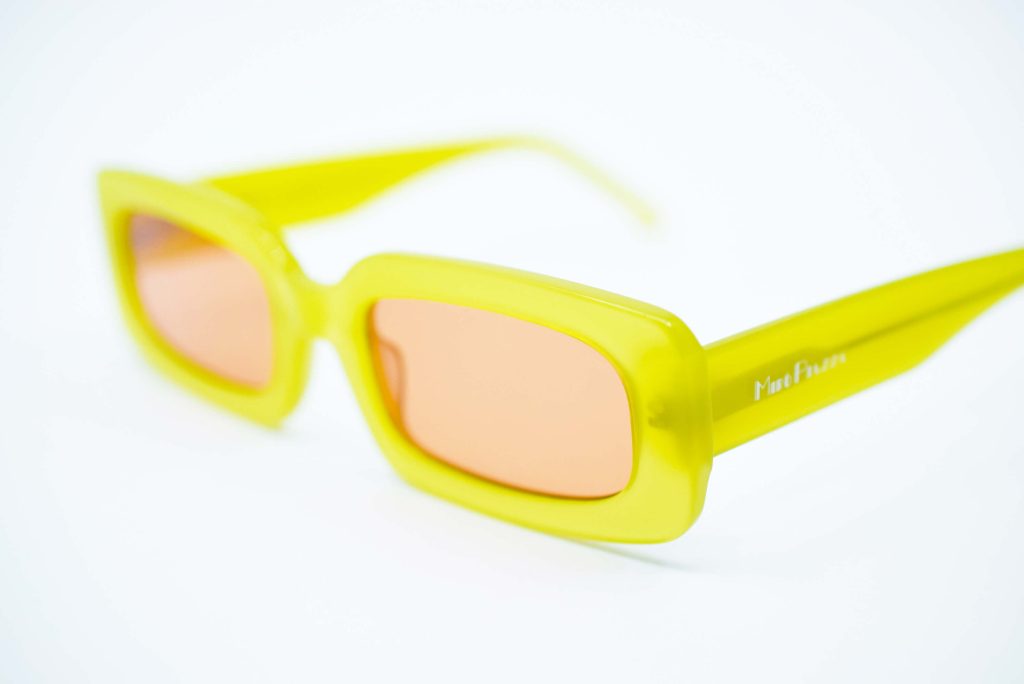
● Pastel Matte Lens
With the return of Y2K style and retro-inspired aesthetics, pastel matte lenses are back in the spotlight as a key sunglasses trend. Compared with dark lenses, these softer, misty tones add a lighter feel to the overall look and allow wearers to express a more distinctive personal style through color. Beyond common shades like light gray and light brown/amber, colors such as red, orange, yellow, and purple are also becoming increasingly popular styling choices among younger fashion lovers.
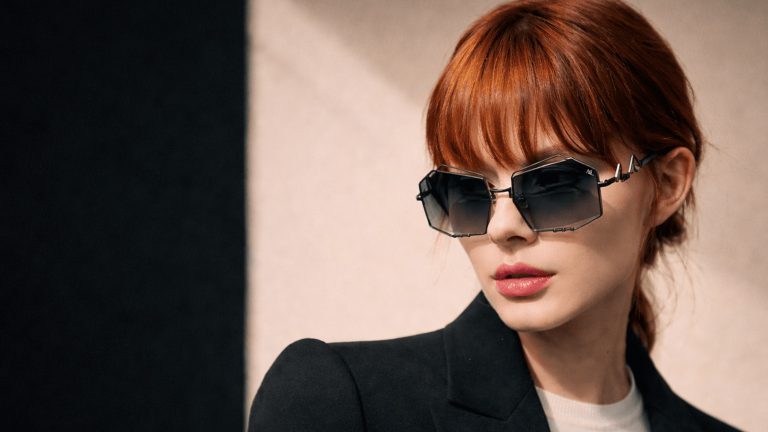
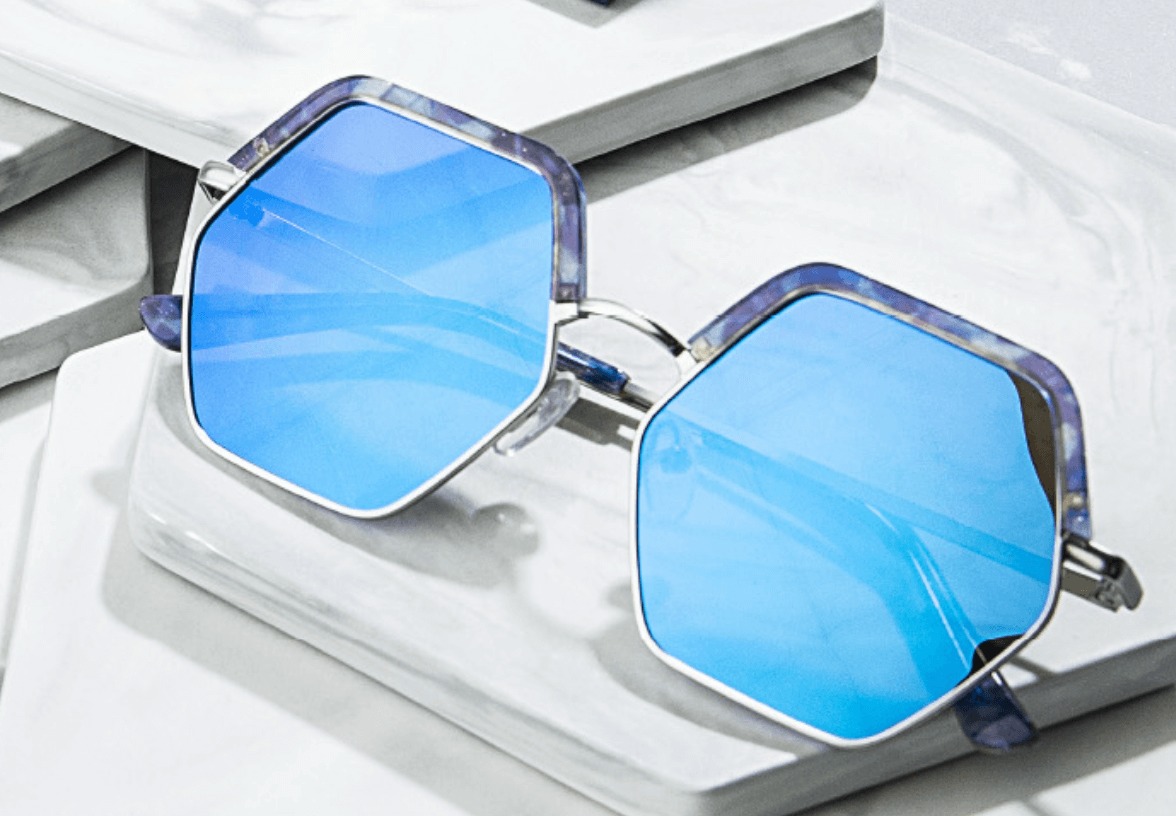
● 3D Geometric Frames
3D geometric-frame sunglasses are defined by polygonal shapes—such as hexagons and diamond-like silhouettes. With angular, irregular lines, they break away from the traditional rounded look and create a sharper, more avant-garde visual effect. These frames are especially flattering for round or oval face shapes, as they add definition and make facial features look more structured and distinctive. Because the frame construction is more complex, they’re often made with high-flex, durable materials and paired with reinforced hinges to maintain stability and ensure comfortable wear.
Have you noticed? From tech-forward frames that emphasize performance to statement styles that focus on proportions and design details, all these trends reflect a growing emphasis on finding the right balance between appearance, wearing experience, and practicality.
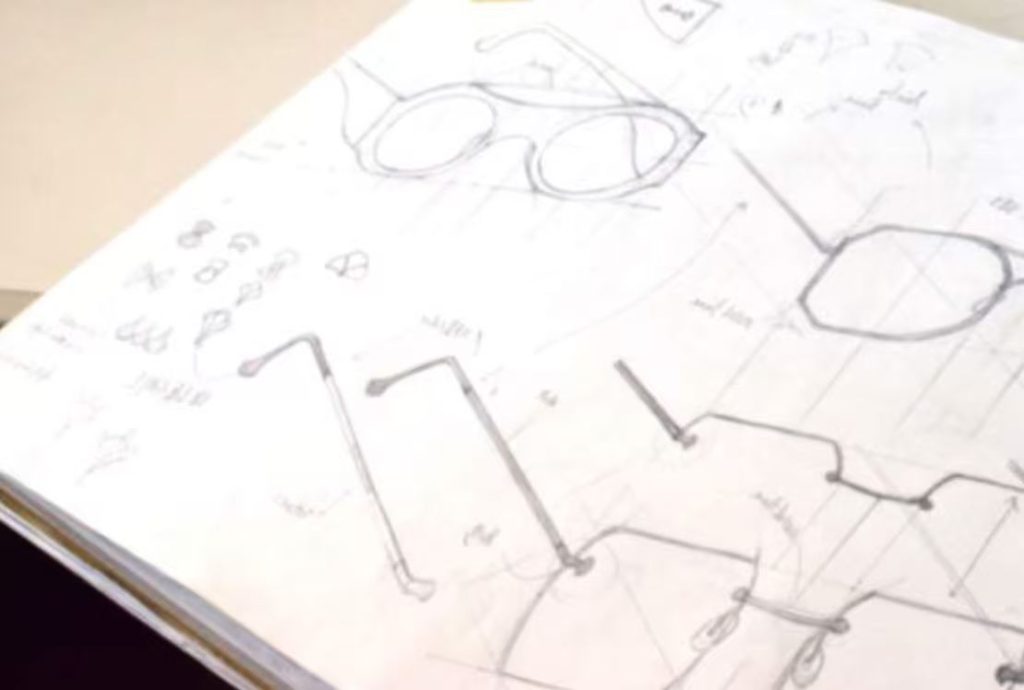
If you’re looking to create sunglasses that align with market trends while delivering both aesthetics and functionality, Sino Optical can tailor the frame structure, materials, and design direction flexibly based on your brand positioning and needs—helping you turn ideas into products that truly fit the market. Feel free to reach out to Sino Optical to discuss the sunglasses design solution that suits you best.
Sunglasses Q&A
Do you also have a few questions when choosing and wearing sunglasses? Below are three of the most frequently asked questions to help you clarify the key concepts in one go:
Q1: How long do sunglasses last?
There’s no absolute standard lifespan for sunglasses. It mainly depends on the lens material, how often you wear them, and how well they’re cared for. Generally speaking, plastic lenses (such as PC and TAC) typically last around 2–3 years. Glass lenses, on the other hand, are more scratch-resistant and can often last 5–6 years or even longer.
Q2: Can I wear polarized sunglasses for driving at night?
It’s not recommended to wear regular daytime polarized sunglasses when driving at night. Polarized lenses are designed to filter strong reflected glare, so in low-light conditions they may make your view too dark, affecting how well you can recognize road conditions and traffic signs.
If you need eyewear for night driving, consider polarized lenses made specifically for nighttime use. These lenses help reduce harsh glare while maintaining sufficient brightness—so they won’t compromise driving safety.
Q3: Do cheap sunglasses damage your eyes?
Price alone isn’t the key factor in whether sunglasses are harmful. What truly matters is whether the product has been properly tested and comes with clear labeling. If sunglasses are clearly marked UV400 and have passed relevant standards (such as CNS or CE), even more affordable options can still provide effective UV protection.
Sino Optical — 40 Years of Professional Eyewear Manufacturing, Creating High-Quality Sunglasses
When choosing sunglasses, lens specs and design trends matter—but manufacturing quality is often the real key to wearing comfort and product longevity. With more than 40 years in the eyewear industry, Sino Optical has long focused on the R&D and manufacturing of sunglasses, optical eyewear, and functional-performance eyewear. With deep understanding of different markets’ practical needs in functionality, safety, and design, we ensure stable quality from the source of production.
On the manufacturing side, Sino Optical offers mature and comprehensive OEM/ODM capabilities. From frame structure design and lens material selection to mass production and quality inspection, every step is reviewed and controlled by experienced professionals. Whether you’re developing durable, performance-driven sports sunglasses or fashion-focused designs that emphasize proportion, style, and wearing experience, we can flexibly adjust the design direction based on your brand positioning and sales channels—helping your product achieve a more accurate and competitive market fit.
If you’re looking for an eyewear partner who understands both design concepts and manufacturing details, Chi-Fei Optical is a reliable choice. With one-stop support from product development through mass production, we help your brand turn ideas into sunglasses that match market demand and deliver real competitiveness.