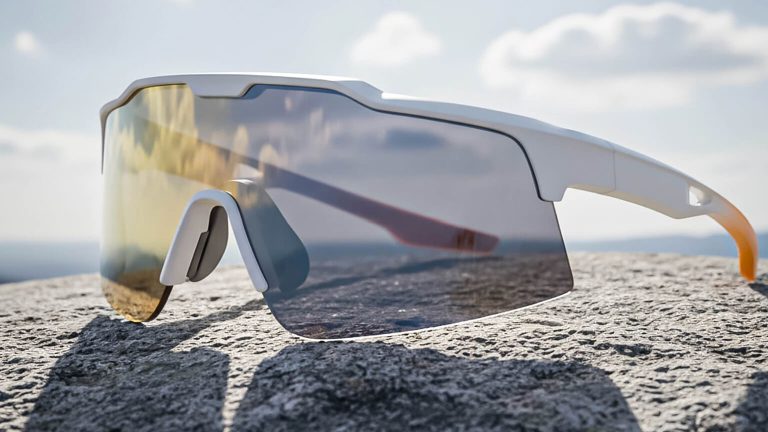
Want to buy sports sunglasses but feel totally confused by terms like light transmission, UV400, and polarized lenses? Don’t worry—today Sino Optical will be your tour guide to sports sunglasses. We’ll walk you through the key functions, and explain what to look for when choosing models for running, skiing, and kids, so you can grasp all the essentials at once and avoid costly mistakes!
Table of Content
- Sports Sunglasses vs Regular Sunglasses: Full Comparison of Differences and Functions
- How to Choose Running Sunglasses? Follow These 4 Essential Principles
- How to Choose Ski Goggles? 4 Key Selection Points at a Glance
- How to Choose Kids’ Sports Sunglasses? 3 Must-Know Tips for Parents
- Common Q&A About Sunglass Lenses
- Recommended Sports Sunglasses by Sino Optical: The Best Choice for Function and Quality
Sports Sunglasses vs Regular Sunglasses: Full Comparison of Differences and Functions
Have you ever thought: “Aren’t all sunglasses pretty much the same? Are sports sunglasses really better?” In fact, the difference between regular sunglasses and sports sunglasses is like that between casual shoes and running shoes. The former focus on style and fashion, while the latter emphasize stability, breathability, and protection. For people who love outdoor activities, a good pair of sports sunglasses is not just an accessory—it’s essential equipment that protects your vision and your safety.
Here’s a quick comparison to help you understand the key design differences:
| Item | Regular Sunglasses | Sports Sunglasses |
|---|---|---|
| UV Protection | Labeling varies, but most provide basic UV protection | UV400 full protection, effectively blocking UVA/UVB |
| Lens Technology | Mostly 4–6 base curve lenses, natural vision, suitable for everyday wear | High curvature wide-angle lenses that offer a wider field of view and reduce blind spots |
| Stabillity | Suitable for daily use; temples and nose pads are usually fixed designs | Anti-slip nose pads and temple designs that stay securely in place even when sweating |
| Material | Commonly made from plastic, acetate, or metal with a variety of styles | Made from TR90 or high-strength PC, lightweight, durable, and flexible |
| Protection | No special impact-resistance design, suitable for general outdoor use | Impact-tested; highly resilient frames that are not easily broken |
| Comfort | Comfortable for daily wear and not overly tight | Ventilated design for better airflow, staying comfortable even during long workouts |
To sum it up in one sentence: regular sunglasses focus on looks and daily use, while sports sunglasses put performance front and center. When you’re dealing with strong light, dust, or long hours outdoors, sports sunglasses are highly recommended. They help maintain a clear field of vision, secure fit, and proper protection even during high-movement activities, letting you stay fully focused while you exercise.
One important reminder: no matter what kind of sport you’re doing, blocking ultraviolet light (UV400) is the most basic and most important rule for sports sunglasses! In the following sections, we’ll go into detail on how to choose the right models for running, skiing, and kids.
How to Choose Running Sunglasses? Follow These 4 Essential Principles
If you often run outdoors, you know how annoying harsh sunlight, sweat, and dust can be. The good news is: the right pair of sports sunglasses can solve all of these problems. Just focus on the 4 key points below and you’ll be able to pick running sunglasses that truly suit you.
● Lightweight Design
While you run, your head keeps moving. If the frame is too heavy or poorly balanced, it’s easy to get pressure marks, looseness, or have the glasses slide down to the tip of your nose. We recommend choosing sports sunglasses made from TR90 or high-grade PC. These materials are both lightweight and flexible, so they stay comfortable even after long periods of wear.
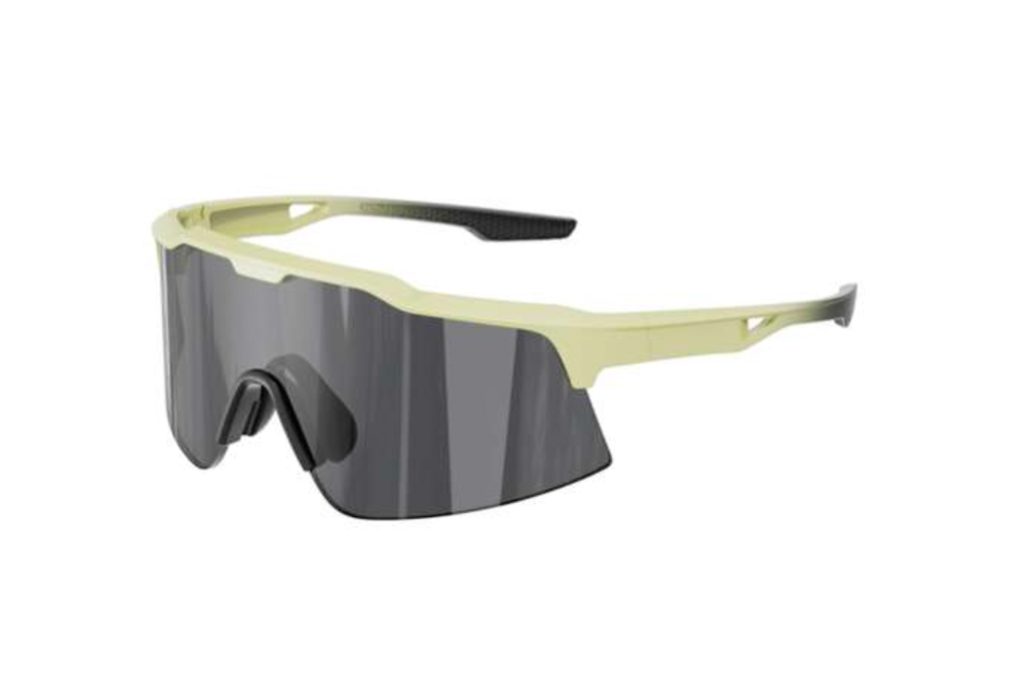
Additionally, the semi-rimless frame design is also a common feature in many running-specific models. It provides sufficient strength and stability while further reducing overall weight, allowing the glasses to fit the face more closely and minimize any bouncing. For exampleSino Optical's Fusion Edge use this kind of design, even during high-intensity workouts, the glasses stay securely in place without shifting or deforming, ensuring runners enjoy a comfortable and clear field of vision.
● Anti-Slip Performance
When you run, you’re bound to sweat a lot. If your sunglasses are constantly slipping or wobbling, they’ll disrupt your rhythm and affect your focus. Choose models with ergonomically designed anti-slip nose pads and temples, so the frame stays securely fitted on your face. That way, even during intense exercise, it’s less likely to move, and the glasses remain stable and comfortable without pressing or pinching, even with sweat or long wear.
● Light Transmission (VLT)
Running at different times of day means very different lighting conditions, which makes the lens’ visible light transmission (VLT) extremely important. VLT represents how much light passes through the lens: the higher the percentage, the brighter the image; the lower, the darker. You can choose lenses based on your usual running time:
- Morning / Evening (low light): Choose category 0–1 lenses (VLT 43–100%). The image will be brighter, making it easier to see the road and obstacles.
- Daytime Running (typical sunny conditions): Category 2 lenses (VLT 18–43%) are recommended. They effectively reduce brightness while maintaining a clear field of view.
- Midday Under Strong Sun (intense light): Category 3 lenses (VLT 8–18%) are ideal. They significantly reduce glare and protect your eyes from UV damage.
If you often train at different times of day, consider photochromic lenses. They automatically adjust lens darkness based on light intensity, so a single pair can handle a wide range of lighting environments.
● Lens Color
Lens color doesn’t just affect appearance—it also changes how you see while running. If you mainly run in broad daylight, gray or brown lenses are the most stable choice, helping reduce harsh sunlight while keeping colors natural. If you prefer morning or dusk runs, yellow lenses are a good option, as they boost brightness and contrast, making your vision clearer and more comfortable.
(Further Reading:How to Choose Sunglasses Lens Colors? Understanding 6 Lens Color Effects for Optimal Eye Protection!)
How to Choose Ski Goggles? 4 Key Selection Points at a Glance
If you’ve ever gone skiing, you know how intense the reflection of sunlight on snow can be. Your vision can easily get overwhelmed by a blinding sheet of white, affecting depth perception and safety. If you want to ski safely and confidently, choosing the right ski goggles is crucial. Here are 4 key points to help you lock in the essentials:
● Anti-Fog Design
When you move from cold outdoor air to a warm indoor environment, or when your body heats up and sweats, your lenses can easily fog up and blur your vision. To maintain a clear view, choose goggles with a double-layer lens structure or anti-fog coating. These help insulate against temperature differences and reduce fog buildup, so you can always read the terrain without constantly wiping your lenses.
● Polarized or Mirrored (Coated) Lenses
Snow fields produce strong reflections. Without proper anti-glare treatment, your eyes can quickly become strained and uncomfortable. Two common choices are polarized lenses and mirror-coated lenses: Polarized lenses: Effectively filter out reflected light and reduce glare. Mirror-coated (multi-layer) lenses: Enhance contrast and make snow texture and shadows clearer. These are particularly suitable for large, open ski areas with strong sunlight.
(Further Reading:Polarized vs Regular Sunglasses: 5 Key Functions Compared — Ideal for Driving and Fishing)
● Light Transmission
Lighting conditions in snowy environments can vary dramatically—from glaring reflections on sunny days to low light on overcast days or at night. Different VLT levels are needed to keep your vision clear. Here are common VLT categories and suggested scenario for usage:
- S0 (80–99%): For night skiing or extremely low visibility.
- S1 (43–79%): For cloudy days or softer light.
- S2 (19–42%): The most versatile; suitable for most sunny and cloudy conditions.
- S3 (8–18%): For bright, sunny days with strong sunlight.
- S4 (3–7%): Recommended for very intense light, such as at high altitude or on glaciers.
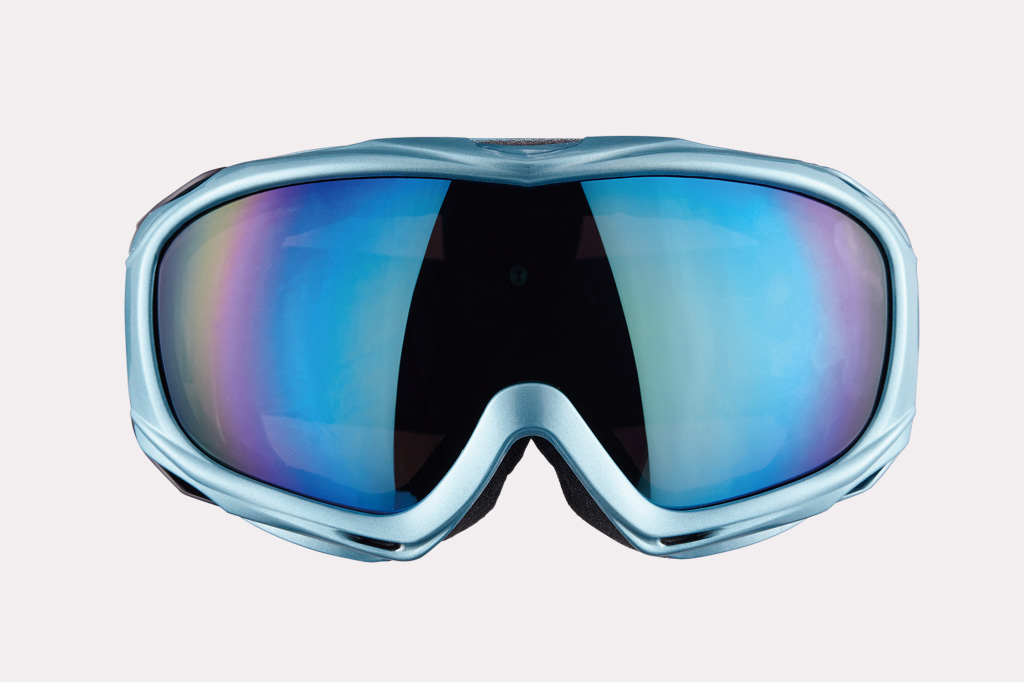
In summary, S2-level lenses are the most practical choice, as they can handle most weather conditions. However, if you want to maintain optimal visibility across different lighting environments, choosing photochromic ski goggles will give you greater flexibility! TakeSino Optical's Frost as an example. It features premium blue multilayer coated lenses that automatically adjust their light transmission based on the intensity of the light, giving you stable and comfortable vision in all kinds of weather.
● Fit
Skiing involves large, dynamic movements, and goggles are often worn for long periods. If the fit isn’t good, wind and snow can get inside, and you might experience facial pressure or slippage. To stay stable and focused while you ski, you need goggles with a snug, comfortable fit.
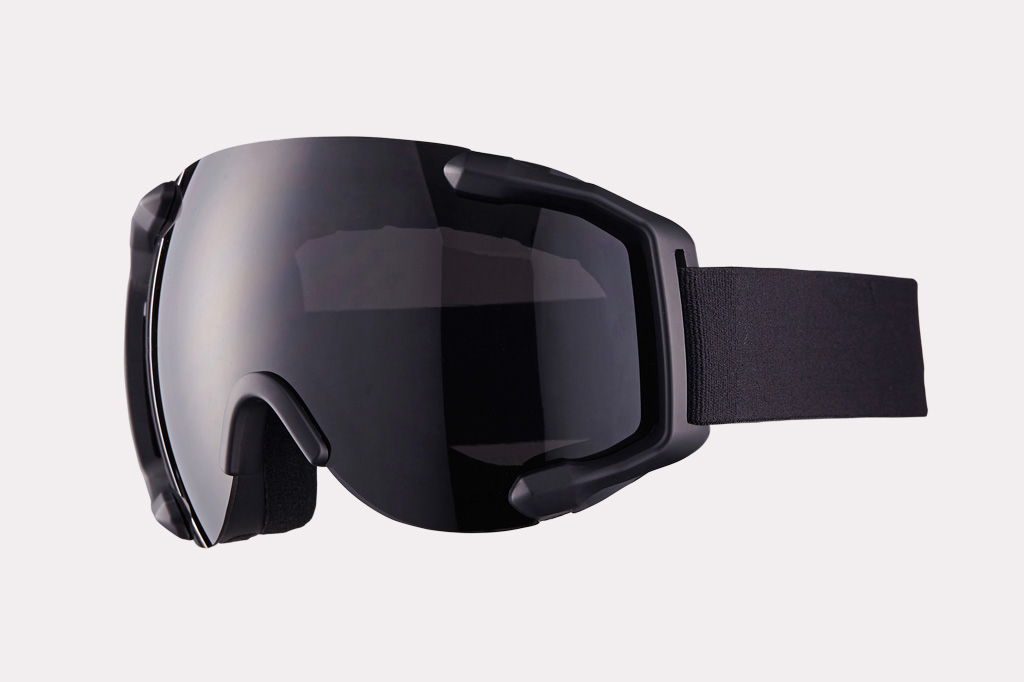
Sino Optical's Stealth series features a triple-layer high-density foam lining combined with a soft, skin-friendly fabric. Paired with an adjustable elastic strap and silicone anti-slip design, the goggles stay securely in place even during high-speed runs or intense movements. They not only provide protection against wind and snow but also remain comfortable and pressure-free for long periods of wear, allowing you to fully enjoy the fun of skiing!
How to Choose Kids’ Sports Sunglasses? 3 Must-Know Tips for Parents
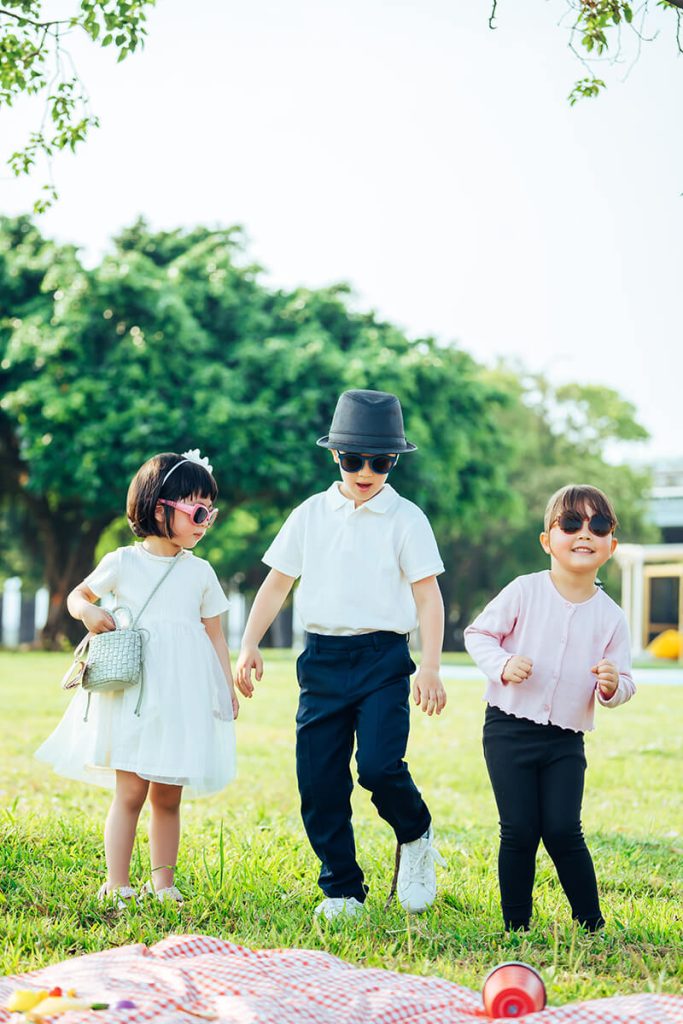
Children’s crystalline lenses are still developing and have weaker natural UV protection. Long-term exposure to strong sunlight can cause eye fatigue and potential long-term damage. So when choosing kids’ sports sunglasses, it’s not just about cute looks and fun colors—protection, safety, and comfort are even more important. Parents should pay special attention to these 3 points:
● Lens Color
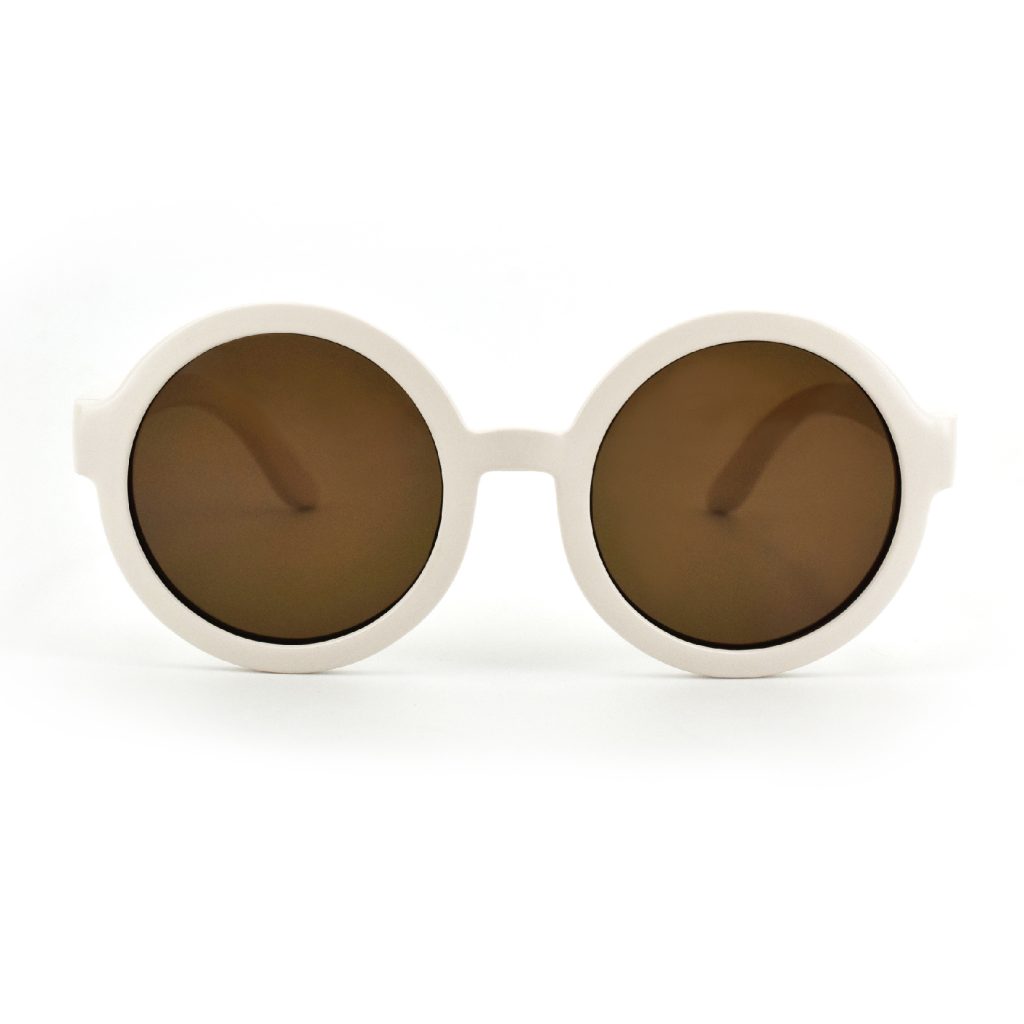
The wrong lens color can seriously affect your child’s visual comfort. We recommend gray, brown (tea), or dark green lenses. These three colors effectively reduce strong light and glare without making the view too dark or distorting color perception. That way, kids can clearly see their surroundings while staying protected from UV damage.
● Comfort and Safety
Because children often bump into things or fall while playing, safety is non-negotiable. Choose frames and lenses made from highly resilient materials such as TR90 or PC (polycarbonate). These materials offer excellent impact resistance and durability and are not easily shattered even when subjected to external force.
● Proper Sizing
Children’s facial features are still developing. Frames that are too tight will press on the nose; those that are too loose will easily slip. Parents should choose sizes based on age and face shape, ensuring that temples and nose pads fit snugly and securely. That way, even when kids are running and jumping, the sunglasses stay stable and don’t wobble. Adjustable temples or flexible nose pads are even better—they can be adapted as your child grows, extending the product’s usable life.
Common Q&A About Sunglass Lenses
With so many sunglasses on the market, it’s normal to have questions when choosing a pair. Here are answers to some frequently asked questions to help you quickly understand lens basics and find sunglasses that balance protection and comfort.
Q1: Are darker sunglasses always better?
No! The darkness of the lens color is not directly related to UV protection. What really matters is whether the lenses have UV-blocking properties. Very dark lenses without UV protection can actually be more harmful: they cause your pupils to dilate, letting in more UV light, which increases damage to your eyes.
Q2: What does UV400 mean?
UV400 means the lenses can block more than 99.9% of ultraviolet radiation and blue light with wavelengths below 400 nm. It’s worth noting that there are no industry testing standards called “UV300” or “UV200.” So when choosing sunglasses, consumers just need to look for UV400 markings that comply with national testing standards.
Q3: What are the common lens materials for sunglasses?
Common materials include glass, nylon, triacetate (TAC), and polycarbonate (PC): PC lenses: Lightweight with strong impact resistance—ideal for sports and kids. TAC lenses: Good scratch resistance and clarity—suitable for daily wear.
Q4: Do children need to wear sunglasses?
Yes! Children’s eyes are still developing, and their crystalline lenses offer weaker natural UV protection. Long-term UV exposure may increase eye health risks. We recommend kids wear sunglasses with proper UV protection whenever they’re in strong light—whether for outdoor activities, travel, or everyday walks.
Recommended Sports Sunglasses by Sino Optical: The Best Choice for Function and Quality
Want to sprint under the sun and sweat freely? Only a pair of sports sunglasses that balance stability and comfort can help you stay confident and focused through every workout.
With over 40 years of optical manufacturing experience, Sino Optical has long been producing high-quality sports sunglasses for global brands. From lens protection and ergonomic fit to overall structural stability, every detail is rigorously controlled according to professional standards, ensuring clear and stable vision in high-intensity activities such as running, hiking, cycling, and skiing.
In addition,Sino Optical not only excels in strong OEM/ODM capabilities, but can also provide customized design solutions tailored to the needs of different brands. Whether the focus is on functionality or fashion, Sino can flexibly create products that combine both aesthetics and performance. With a comprehensive one-stop production process—from design, materials, manufacturing, and quality inspection to shipping—Sino ensures that its partners save time and gain peace of mind.

If you’re looking for a professional and reliable sports sunglasses brand, feel free to contact us. Sino Optical will support your brand from design to launch with expert craftsmanship and dedicated service, helping you create sports sunglasses that combine both style and quality!
Further Reading:
- Running Sunglasses Guide: 10 Key Factors and the Top 6 Sunglasses Recommended for Runners
- Types of Eyeglasses: X Common Functions and Styles You Should Know Before Getting New Glasses!
- Sunglasses Lens Grade Overview: Complete Analysis of 5 Lens Types - Choose the Right Style with Confidence!