配鏡片推薦怎麼選?本文針對不同功能需求,從抗藍光、防紫外線到變色鏡片,提供詳細的配鏡片推薦,讓您根據需求與眼睛保護,輕鬆選擇最適合的鏡片!
Table of Contents
- How Lens Functions Are Shaping Brands and the Market
- Market Essentials: Blue Light Filtering, UV Protection, and Photochromic Lenses
- From Function to Mass Production: Common Brand Planning Approaches
1. How Lens Functions Are Shaping Brands and the Market
In the past, many consumers chose eyewear primarily based on frame design. In recent years, however, wearing comfort and eye protection have increasingly become key decision factors. For brands and retail channels, lenses are no longer just a component—they are a core driver of differentiation, conversion, and long-term word-of-mouth.
Why Does Lens Configuration Affect Product-Line Competitiveness?
- Consumers care more about real usage scenarios:long hours on screens, outdoor commuting, and frequent transitions between indoor and outdoor environments. As these scenarios become more defined, lens needs become clearer.
- The easier the function is to understand, the easier it is to sell:scenario-based lens solutions can significantly reduce the explanation burden for retail staff and channels.
- Word-of-mouth comes from daily details:clarity, reflections and glare, fingerprints and smudges, and durability tend to be “tested” and judged more critically after a week or a month of use.
- Long-term brand growth depends on stable delivery:only lens solutions that can be consistently mass-produced with reliable quality can support long-selling SKUs and channel expansion.
From Sino Optical’s experience working with brands, a common success factor is turning lens features into solutions that areeasy to understand at a glance, easy to recommend, and consistent at scalein mass production. This is the key step that moves lens functions from “spec terms” to real market competitiveness.
2. Market Essentials: Blue Light Filtering, UV Protection, and Photochromic Lenses
(1) Blue Light Filtering Lenses: The Go-To Choice for Digital Screen Users
Blue light filtering lenses have become a mainstream option because they directly match one of today’s most common scenarios: extended screen time. In practice, however, effective blue light lenses are not about “blocking as much as possible.” The real key is achieving abalanced filtering approachwhilemaintaining natural,comfortable vision.
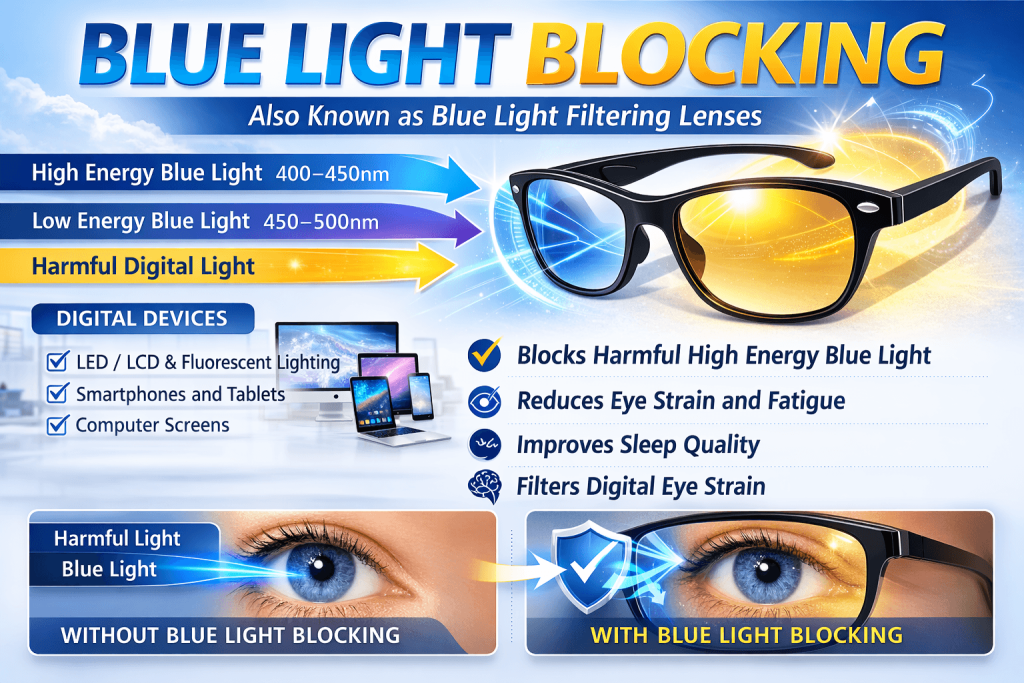
Common benefits consumers look for
- Helps reduce discomfort from prolonged screen use (such as fatigue, dryness, or eye strain).
- Maintains clarity and a natural sense of color recognition for everyday visual needs.
- Easy to position as a standard feature for core products—or as an upgrade option that retailers can confidently recommend.
Product lines that are especially suited to blue light solutions
- Office workers, engineers, designers, and other screen-based professionals
- Students and online learning segments
- E-commerce bestsellers and in-store hero products (low education cost, fast conversion)
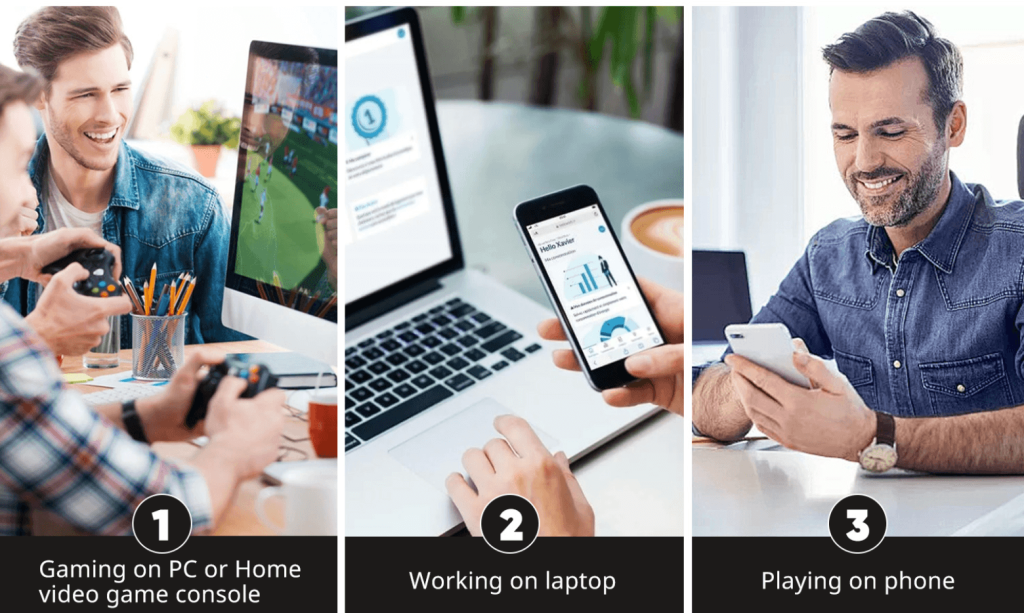
When Sino Optical helps brands plan blue light solutions, we prioritize easy-to-understand messaging and a stable wearing experience, so brands can communicate clearly and retail channels can recommend with confidence.
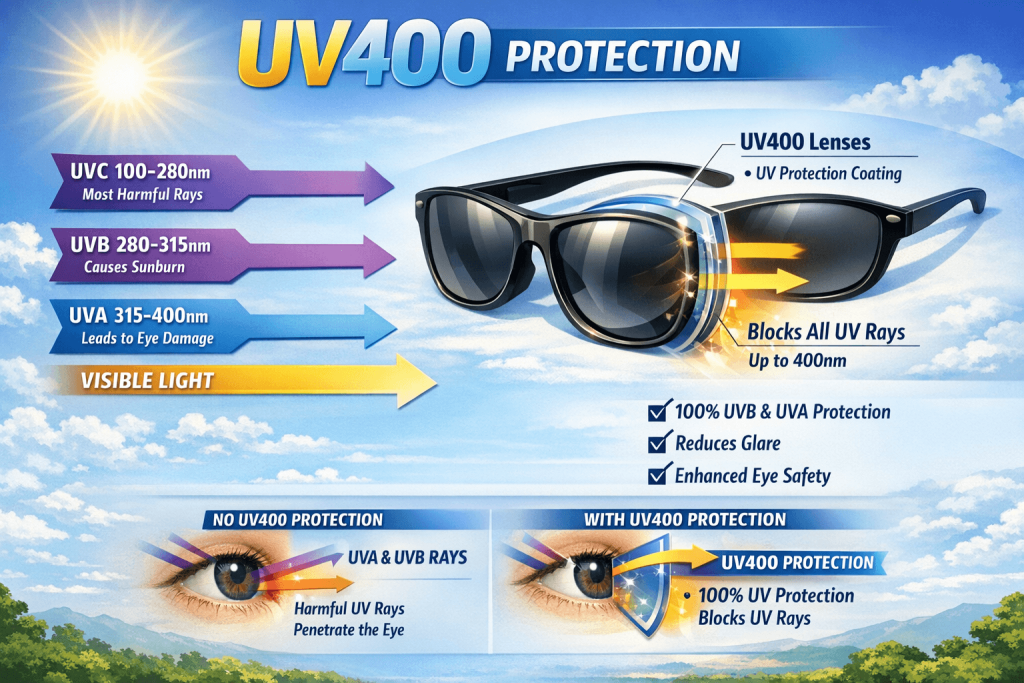
(2) UV Protection Lenses: Treat UV400 as a Baseline Standard
UV protection is a foundation for long-term eye health. From a brand trust perspective, UV protection should not be an “extra”—it is increasingly seen as a basic expectation. Even for clear lenses, achieving UV400-level protection can effectively block most harmful UV rays.
Why UV400 should be a standard feature
- Meets market expectations:many consumers already assume UV protection is included; not having it can create doubt.
- Everyday exposure is common:commuting, outdoor walking, riding scooters/bikes, and driving all involve UV exposure.
- Builds professional credibility:consistently delivering baseline protection supports a “reliable and trustworthy” brand image.
Sino Optical typically recommends integrating UV protection into the product narrative as everyday protection that should always be there—keeping a consistent standard from entry-level to core products and reducing the explanation burden for retail channels.
(3) Photochromic Lenses: High-Value Convenience for Indoor–Outdoor Use
The core value of photochromic lenses is convenience: clear indoors, automatically darkening outdoors to reduce glare. This allows consumers to handle multiple scenarios with a single pair of glasses. For brands, photochromic lenses are well suited for building mid-to-premium product tiers, with a clear upgrade reason and perceived value.
Target audiences for photochromic positioning
- Commuters (frequent indoor–outdoor transitions)
- Outdoor lifestyle users (reduced glare, improved comfort)
- Consumers who want “one pair for everything” and don’t want to carry sunglasses
In photochromic collaborations, Sino Optical focuses on real-world wearing experience—smoother transitions and more consistent performance—helping brands build a mid-to-premium positioning that feels “noticeable from the first wear,” while maintaining mass-production consistency.
(4) Coatings and Wearing Experience: The Fastest Way to Build Word-of-Mouth
In daily use, consumers often don’t remember feature names—they remember whether the lens feels clear, whether reflections are annoying, how easily the lens gets dirty, and how easy it is to clean. That’s why multi-layer coatings often become the foundation for reputation and repeat purchase.
- Anti-reflective:reduces distracting reflections for clearer vision and a cleaner appearance.
- Durable scratch resistance:improves everyday wear resistance and lowers the risk of “scratched too quickly” negative reviews.
- Smudge- and water-resistant:helps reduce fingerprint and oil buildup, making lenses easier to clean and keep looking new.
Sino Optical recommends coating combinations based on brand positioning: entry-level products focus on durability and easy care, while mid-to-high tiers emphasize clarity and premium feel—so features aren’t just stacked terms, but differences consumers can actually feel every day.
(5) Refractive Index and Thinner Lenses: Balancing Look, Weight, and Comfort
“Is it thin?” and “Is it heavy?” are among the most immediate impressions when consumers try on glasses. Thin-lens strategies are especially relevant for higher prescriptions, improving both appearance and comfort. The key is not blindly chasing the highest index, but matching the choice to the target customer and product positioning.
- Higher prescriptions:emphasize thinner profile and better weight balance (more attractive, more comfortable).
- Core long-selling SKUs:optimize the balance between appearance, comfort, and cost to build stable “easy-to-fit, easy-to-sell” products.
- Premium lines:combine high-index thinning with multi-layer coatings to strengthen clarity and premium positioning.
Sino Optical helps brands translate refractive index and thinning strategies into consumer-friendly selling points, while maintaining consistent appearance and wearing experience at mass-production scale.
3. From Features to Mass Production: How Brands Typically Plan Scalable Lens Solutions
When planning lenses, many brands tend to focus on “which features to include.” But products that succeed long-term in the market usually deliver on four essentials at the same time: clear benefits, stable wearing experience, consistent quality, and reliable mass production.In B2B collaborations, Sino Optical often helps brands turn a lens concept into a product solution that is ready for launch and sustainable for long-term supply.
(1) Start With Target Users and Scenarios—Then Define the Feature Set
Rather than defining a product through “feature stacking,” it’s more effective to define needs through usage scenarios—such as extended screen time, outdoor commuting, or frequent indoor–outdoor transitions. When the scenario is clear, the right feature combination becomes more obvious—and it becomes easier for retail channels to sell.
(2) Build a Product Ladder: Core, Upgrade, and Flagship
Helping consumers quickly understand the differences between options is key to improving conversion. A common approach is to build a clear product ladder: Core bestsellers (easy to understand, easy to sell)+Upgrade models (more focused benefits)+Flagship models (stronger value perception). This structure supports stronger merchandising, higher average order value, and repeat purchases.
(3) Use “Everyday Performance” as the Foundation for Long-Term Sales
What truly drives repeat purchase and recommendations is often not the feature name, but daily details—reflections, durability, and ease of cleaning. That’s why, beyond feature planning, building a stable coating package and a consistent wearing experience helps products stay competitive and sell sustainably over time.
Scenario Mapping Table: Quickly Plan Lens Solutions by Target Segment
| Primary Scenario | Target Customers | Recommended Lens Configuration | Key Brand Message (Consumer-Facing) |
|---|---|---|---|
| Extended screen time | Office workers / Students / Digital professionals | Blue light filtering + anti-reflective (optional: durable coating) | “More comfortable for digital use—stable vision for long hours.” |
| Outdoor activities & daily commuting | Commuters / Scooter & bike riders / Outdoor users | UV400 (recommended as standard) + durable coating | “UV protection even with clear lenses—everyday protection you can count on.” |
| Frequent indoor–outdoor transitions | Hybrid commuters + office users | Photochromic + UV + anti-reflective | “One pair for indoors and outdoors—less glare outside.” |
| Core all-in-one bestseller | Mass-market core segment | Blue light filtering + UV + multi-layer coatings | “Everyday all-in-one: clear, durable, easy to maintain.” |
| Mid-to-premium flagship series | Customers who value comfort and premium quality | Thinner lens strategy (high-index) + multi-layer coatings + scenario feature (choose either blue light or photochromic) | “Lighter, thinner, clearer—more comfortable all day.” |
Frequently Asked Questions (FAQ)
Q1: How can blue light filtering lenses reduce blue light without distorting color?
The key is a balanced filtering strategy and overall visual tuning. When Sino Optical develops blue light solutions, we evaluate clarity, natural color appearance, and wearing comfort together—so the benefit is noticeable without creating everyday usability issues.
Q2: Do UV protection lenses need to meet UV400?
We recommend treating UV400 as a baseline standard. It’s not just a label—it’s a foundation for building trust, especially for commuting, outdoor lifestyles, and products for children and teens.
Q3: Which product lines are best suited for photochromic lenses?
Photochromic lenses work especially well as a mid-to-premium upgrade highlight. The value proposition—“one pair for both indoors and outdoors”—is easy to understand, and consumers are more willing to upgrade when the benefit is clear.
Q4: Do lens coatings really affect reviews and word-of-mouth?
Yes. Reflections, fingerprints, ease of cleaning, and durability are experiences consumers face every day. The right coating package can significantly reduce negative feedback like “it became annoying after a short time,” helping products sell longer and improving repeat purchase potential.
Q5: If we want to build a private label, how much can Sino Optical support?
We can support end-to-end. Starting from your target segment and channel needs, we help plan feature combinations, product ladder structure, and production-ready solutions. Your team focuses on brand and go-to-market—we ensure lens design and manufacturing are stable and deliverable, so new products can launch faster and scale sustainably.
Conclusion: Choose the Right Partner to Turn Lens Solutions Into Real Competitive Advantage
The differences between blue light filtering, UV protection, and photochromic lenses aren’t only in the feature names—they’re in whether those features can become product solutions that are easy for the market to understand, noticeably better in daily wear, and stable over the long term. When you choose the right lens configuration—and a partner who can bring both design and mass production to reality—your brand can build trust faster, strengthen value differentiation, and sustain a healthier product line over time.
Sino Opticalwelcomes B2B / OEM / ODM collaboration with brands and retail channels. Based on your customer segments, sales channels, and positioning, we provide lens configuration recommendations and scalable production planning—so your products are sellable, easy to sell, and built to sell for the long run.