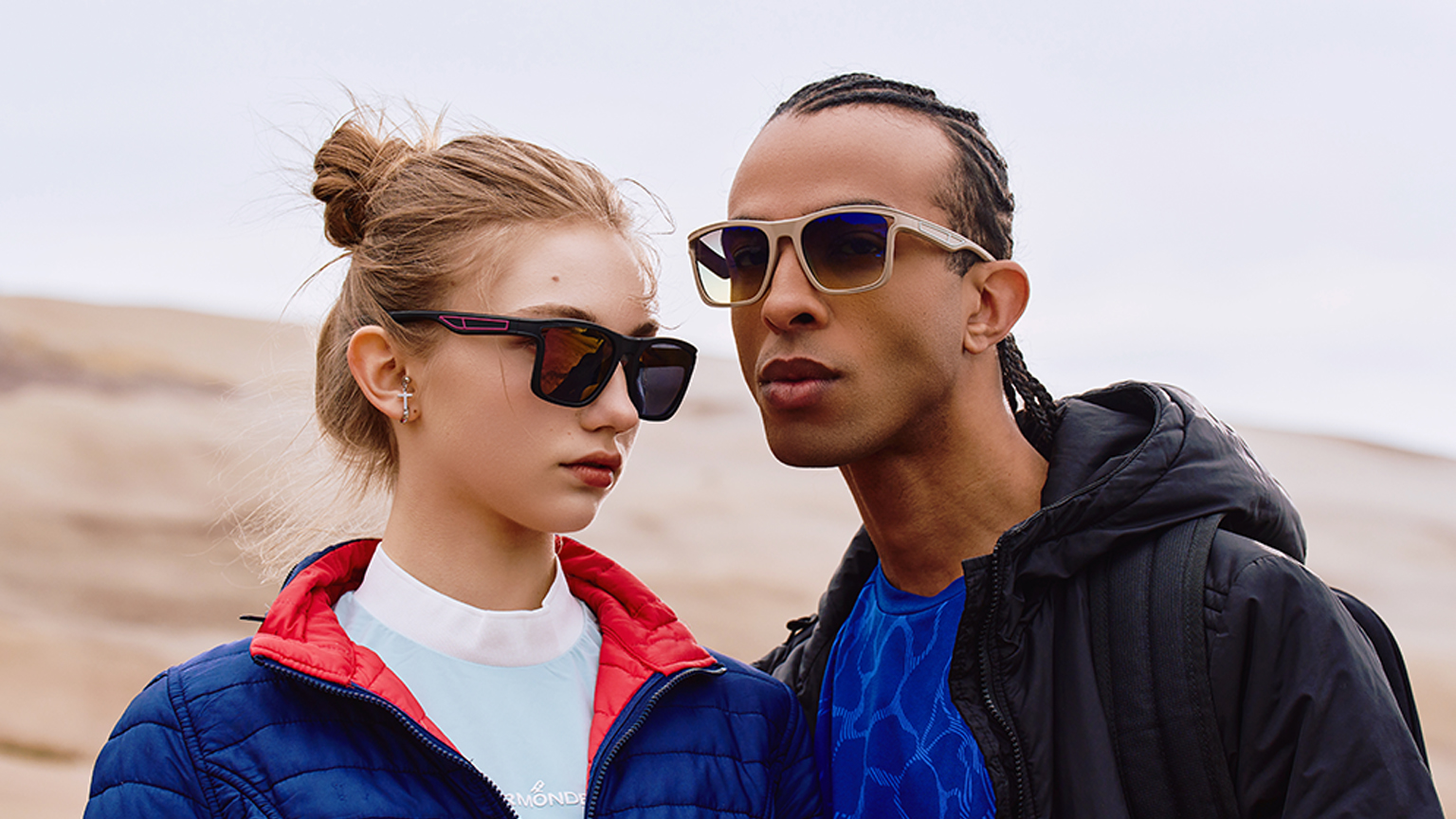
不論你是日常跑步、長距離路跑,還是假日登山、越野健行, 運動時的眼睛保護往往比想像中更重要。 一副專為運動設計的跑步太陽眼鏡或登山太陽眼鏡, 不僅是遮陽工具,更是能在移動中維持清晰視線、提升安全感的關鍵裝備。
本篇將以「跑步與登山」為核心, 深入說明運動太陽眼鏡的必備功能,並根據不同運動情境的實際需求,為你提供運動太陽眼鏡推薦,並協助你判斷是否該選擇一副「跑步+登山都能用」的多功能款式,滿足各種運動需求。
一、跑步與登山必備!運動太陽眼鏡核心功能全解析
對於愛跑步或登山的運動愛好者來說,選擇一副合適的運動太陽眼鏡,不僅能保護眼睛免受紫外線傷害,更能提升運動過程中的視覺清晰度與安全性,接下來,我們將介紹跑步與登山運動太陽眼鏡的四大核心功能,幫助你挑選最適合的眼鏡,讓運動過程更加舒適、安全。
1.UV400 抗紫外線:戶外運動的基本門檻
跑步與登山都屬於長時間戶外活動, 若缺乏 UV400 防護,眼睛容易因紫外線累積造成不適。 因此無論鏡片顏色深淺,是否具備完整抗 UV 能力才是首要條件。
2.防滑穩定結構:比外型更重要
Repeated vertical movement and sweat during sports amplify any instability in eyewear. Adjustable nose pads, anti-slip temples, and wraparound frames help keep sunglasses securely in place—preventing distractions during running or downhill hiking.
3.輕量耐衝擊鏡框:長時間也不造成負擔
Materials such as TR90 and Grilamid offer high flexibility and impact resistance. They reduce overall weight while protecting your eyes from accidental impacts with branches, gear, or terrain.
4.鏡片功能選擇:清楚看見地形細節
- Polarized Lens:降低柏油路、碎石反射,跑步更舒適
- 變色鏡片:應付登山光線快速變化,安全性更高
- 高對比鏡片:強化地面紋理與落差辨識
Further Reading:Sunglasses Lens Grade Overview: Complete Analysis of 5 Lens Types - Choose the Right Style with Confidence!
2. Key Considerations When Choosing Running Sunglasses (Extended by Running Scenarios)
Daily Road Running & Urban Runners
Urban running usually takes place on asphalt roads and sidewalks. Lenses should offer good clarity and anti-glare performance. Lightweight frames with excellent grip are essential so the glasses are barely noticeable while maintaining your running rhythm.
Long-Distance Running & Marathon Training
During prolonged wear, frame weight and pressure become more noticeable. Stability and fit are more important than lens color; otherwise, discomfort can affect focus in the later stages of a run.
- Suggested weight: Approximately under 26 g
- Nose pads and temples: Must maintain anti-slip performance even with sweat
- Lens tint: Avoid overly dark lenses to prevent discomfort when moving in and out of shaded areas
Further Reading:Running Sunglasses Guide: 10 Key Factors and the Top 6 Sunglasses Recommended for Runners
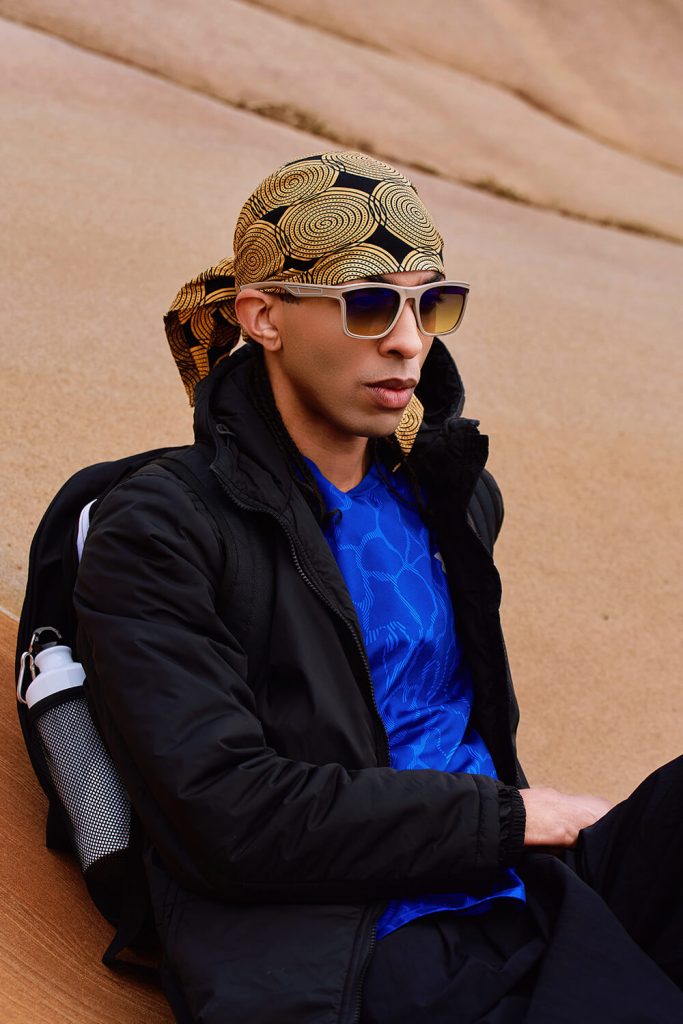
3. Key Considerations When Choosing Sunglasses for Hiking / Trail Running (Extended by Hiking Scenarios)
Day Hikes & Low- to Mid-Altitude Mountains
林間步道常出現明暗交錯環境, 變色鏡片 能自動調整亮度, 減少頻繁更換眼鏡的不便。
High-Altitude Traverses & Ridge Routes
On ridgelines or at high altitudes, UV intensity increases significantly. Wraparound frames combined with full UV protection effectively reduce eye fatigue and protect against strong winds and airborne dust.
四、運動太陽眼鏡推薦:適合跑步+登山的最佳選擇
這是許多運動者最常問的問題。 答案是:可以,但需選對設計方向。
若你希望一副眼鏡同時應付跑步與登山, 運動太陽眼鏡推薦選擇具備以下特點的眼鏡類型:
- Moderate wraparound coverage (breathable for running, protective for hiking)
- Photochromic lenses or high-transmission lenses
- Lightweight yet impact-resistant frames
這類設計正是「多場景運動太陽眼鏡」的核心定位,能在多種運動需求下提供最佳表現。
五、跑步與登山必備!4大運動太陽眼鏡推薦品牌一次看
在選擇適合跑步與登山的運動太陽眼鏡推薦時,不同品牌的設計與技術會對運動表現有顯著影響,以下是幾個受歡迎品牌,適合各類運動需求:
- Oakley: High-contrast lenses, ideal for running and trail activities
- Julbo: Advanced photochromic lens technology, highly favored by hikers and mountaineers
- Rudy Project: Secure and stable fit, well suited for long-distance sports
- Smith: Focuses on terrain contrast enhancement and ventilated designs
Further Reading:How to Choose Sports Sunglasses? A One-Stop Buying Guide for Running, Skiing, and Kids’ Sunglasses
6. Key Features of Sino Optical Sport Sunglasses Series
騏飛光學的運動太陽眼鏡系列,專為運動愛好者設計,具備以下特色,提供運動過程中的最佳視覺保護與舒適度:
- TR90 輕量高彈性鏡框:輕便且具高彈性,讓長時間佩戴時更舒適,適合跑步與登山等各類運動。
- 變色、偏光、UV400 鏡片選擇:可根據不同光線環境選擇鏡片,變色鏡片適應光線變化,偏光鏡片減少反射,UV400鏡片提供全面防護。
- 防滑穩定結構,跑步登山皆適用:鏡框設計穩定,防滑結構讓眼鏡在運動過程中不易移位,無論跑步或登山都能保持視線穩定。
- 支援 Logo 與配色客製,適合跑團與企業活動:可根據需求進行客製化設計,無論是運動團隊或企業活動,都能展現獨特風格。
👉 Explore the Sino Optical Running & Hiking Sport Sunglasses Series Now
七、運動太陽眼鏡推薦怎麼挑?常見FAQ一次看
選擇適合的運動太陽眼鏡對於提升運動體驗非常重要,無論是跑步、登山、越野或其他運動,正確的眼鏡能有效保護眼睛並提升視覺清晰度,本文整理了關於運動太陽眼鏡推薦的常見問題,幫助你了解選擇過程中的重點,挑選最適合的眼鏡款式。
Can running sunglasses be used directly for hiking?
可以,但需確認包覆性與鏡片是否能應付登山光線變化, 如果跑步太陽眼鏡的鏡片無法有效過濾強烈的陽光或調整亮度,建議選擇變色鏡片款式,這樣能根據光線變化自動調整,提高視覺舒適度。
8. Lens Curvature: 6–8 Base for Optimal Field of View
Running sunglasses typically feature a wraparound curvature that provides:
- 防風、防塵:包覆設計可以有效隔絕風吹或灰塵,保護眼睛。
- 視野大、不遮擋:適合運動時保持更廣闊的視野,避免影響運動表現。
9. Adjustability: Adjustable Nose Pads / Temples Add Extra Value
Adjustable nose pads and temple arms help accommodate different face shapes, enhancing fit and comfort—especially important for long-duration wear.
If I only have the budget for one pair, how should I choose?
如果預算有限,運動太陽眼鏡推薦建議選擇一副具備「跑步+登山共用」的設計款式, 選擇輕量鏡框搭配變色鏡片,是最彈性的組合,能在不同光線環境下提供最佳保護與視覺舒適。
Further Reading:How to Choose the Right Sunglasses: Lens Colors, Categories & Key Features Explained — 5 Essential Tips You Must Know
騏飛光學|運動太陽眼鏡推薦首選,提供眼睛完美保護!
一副合適的運動太陽眼鏡, 能讓你在跑步與登山時維持穩定、安全的視野, 減少外在環境對專注力的干擾,無論是強烈陽光下的跑步,還是登山時的變光環境,選擇對的眼鏡能提供最佳保護與視覺清晰度。
👉 Explore the Sino Optical Sport Sunglasses Series
TR90 Lightweight Frames | Photochromic / Polarized Lenses | Anti-Slip Stable Design | Custom Logo Available
Make every run and every hike safer, clearer, and more confident.
Further Reading:
Children’s Sports Sunglasses: 5 Key Factors to Consider for Optimal Eye Protection