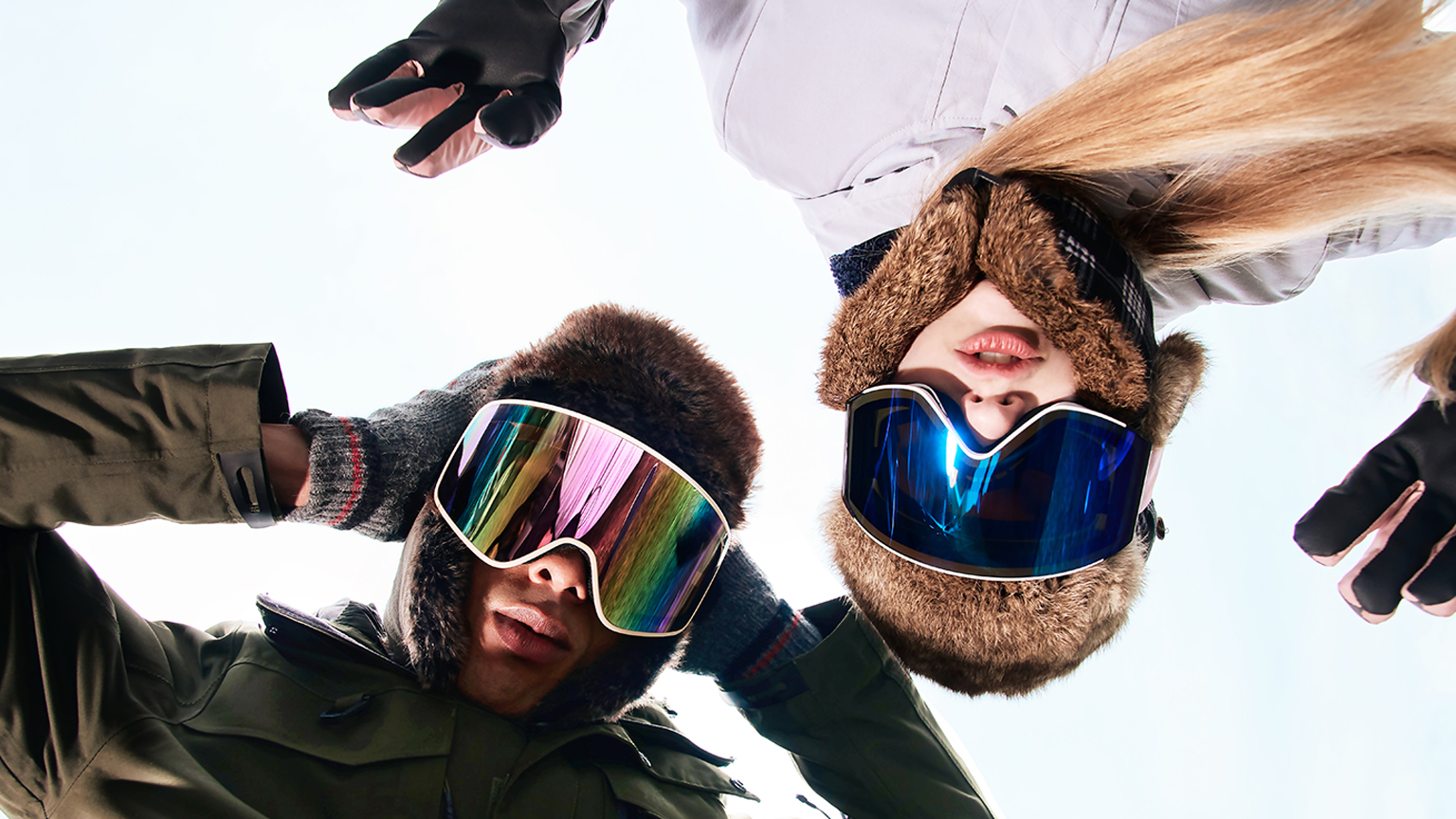
滑雪眼鏡怎麼選最安全?本篇從防霧設計、偏光鏡片、透光度分級到貼合度全面解析滑雪眼鏡的選購重點,並提供保養與常見FAQ,讓您的滑雪視野全面升級!
Table of Content
- Why You Should Always Wear Ski Goggles When Skiing
- How to Choose Ski Goggles: 4 Key Factors
- Size & Lens Color Selection Tips
- Advanced Features: Photochromic, interchangeable, and magnetic lens system
- Essential Safety Features: UV Protection, Anti-Scratch & Impact Resistance
- Goggle Care & Storage Tips: Extend the Lifespan of Your Gear
- Beginner Mistakes & Common Pitfalls to Avoid
- 滑雪眼鏡常見問題 FAQ
- Conclusion: Choose the Right Ski Goggles for a Safer, Better Snow Season
Why You Should Always Wear Ski Goggles When Skiing
在銀白雪地中滑行,看似浪漫又自由,但若沒有一副合適的滑雪眼鏡,再高級的雪板、雪鞋和外套,都抵擋不了雪地強光與刺眼反射。雪地的反射率非常高,長時間裸眼或僅戴一般太陽眼鏡滑行,容易出現以下問題:
- 距離感錯亂與地形判斷不清: 看不清雪面凹凸、冰塊與溝渠,更容易摔倒或撞上障礙物。
- 雪盲與眼睛灼傷風險: 紫外線與強光反射會對角膜造成傷害,出現疼痛、流淚與暫時視力模糊。
- 眼睛疲勞與頭痛: 長時間瞇眼對抗強光,視覺負擔極大,體力消耗也會更快。
Ski goggles are not just a stylish accessory — they are essential safety gear, just as important as a helmet. A proper pair provides clear vision, eye protection, and better overall skiing performance.
How to Choose Ski Goggles: 4 Key Factors
To ski safely and comfortably, consider the following four core aspects when choosing goggles:
滑雪眼鏡挑選要點1. 防霧設計:保持視野穩定清晰
Skiing often involves switching between cold outdoor temperatures and warmer indoor spaces, and sweating during activity. When the temperature difference between the inside and outside of the lens increases, fogging occurs easily. Fog not only disrupts your rhythm but can also block your view during high-speed runs.
在選購滑雪眼鏡時可以留意以下重點:
Double-layer lenses: Creates an insulating air layer between the inner and outer lenses, reducing fog formation — the standard for modern ski goggles.
Anti-fog coating: Applied on the inside lens surface to prevent moisture from condensing into fog. Premium coatings last longer, but avoid wiping with fingers or rough cloths to prevent damage.
Ventilation system: Vents on the top, bottom, or sides of the frame help expel warm air quickly. Works best with a breathable helmet lining.
實用小技巧:滑雪前可先將滑雪眼鏡的鏡片內側以專用防霧噴劑處理;若鏡面沾到雪或水,只需輕輕甩掉或自然風乾,避免用手套或紙巾來回摩擦。
滑雪眼鏡挑選要點2. 偏光與鍍膜鏡片:減少眩光、提升對比
雪地表面如同一大片鏡子,反射率可高達 80% 以上。在晴朗天氣或高海拔地區,未經處理的光線會讓眼睛長時間暴露在強烈眩光中,。這時候選擇具備合適鏡片設計的滑雪眼鏡,就能有效提升視覺舒適度與安全性。
Polarized lenses: Block horizontal reflective glare to help you see textures and terrain changes more clearly — ideal for sunny, high-altitude resorts.
Mirror-coated lenses: Reflect part of the incoming light, increase contrast and color saturation, and offer a stylish appearance.
If you ski mostly on sunny, open slopes, polarized + mirror-coated lenses are excellent. For forests, cloudy weather, or variable light, choose lenses with higher VLT and good contrast such as amber or rose tints.
滑雪眼鏡挑選要點3. 透光度 VLT 分級與天氣搭配
VLT(Visible Light Transmission)透光率代表有多少光線能通過鏡片。數字越高,鏡片越亮;數字越低,鏡片越深。選錯滑雪眼鏡的透光度,可能出現晴天太刺眼,陰天又看不清楚的狀況。
| Category | VLT Range | Best For |
|---|---|---|
| S0 | 80–99% | Night skiing, indoor practice |
| S1 | 43–79% | Cloudy, snowy, or low-visibility days |
| S2 | 19–42% | Most general weather conditions (best all-round choice) |
| S3 | 8–18% | Sunny days, strong light, bluebird powder days |
| S4 | 3–7% | High altitude, glaciers, extreme UV environments |
Tip: If you ski once a year, start with an S2 all-purpose lens. For long trips or alpine environments, add an S3 or S4 dark lens.
Further Reading:Running Sunglasses Guide: 10 Key Factors and the Top 6 Sunglasses Recommended for Runners
滑雪眼鏡挑選要點 4. Fit and comfort
Skiing involves constant head turns, jumps, and high-speed movement. Goggles that are too loose will shift; too tight will cause pressure around your nose and eyes.
- 多層高密度海綿(Triple Layer Foam):三層結構可兼顧支撐、貼合與吸汗,有助減少長時間配戴滑雪眼鏡的不適感。
- 親膚材質:柔軟細緻的面料能降低摩擦與過敏機率,對皮膚敏感者來說,能大幅提升滑雪眼鏡的配戴舒適度。
- 頭帶寬度與防滑矽膠條:足夠寬度可平均分散壓力,內側矽膠條則能讓滑雪眼鏡與安全帽穩定貼合,不易上滑或位移。
- Helmet compatibility: Try goggles with your helmet to ensure no gap at the forehead — this prevents cold air from entering.
Tip: Simulate skiing movements (turning, nodding, slight jumps) during fitting. If the goggles stay secure and comfortable, the fit is right.
Further Reading:How to Choose Sports Sunglasses? A One-Stop Buying Guide for Running, Skiing, and Kids’ Sunglasses
Size & Lens Color Selection Tips
Face Shape & Helmet Compatibility
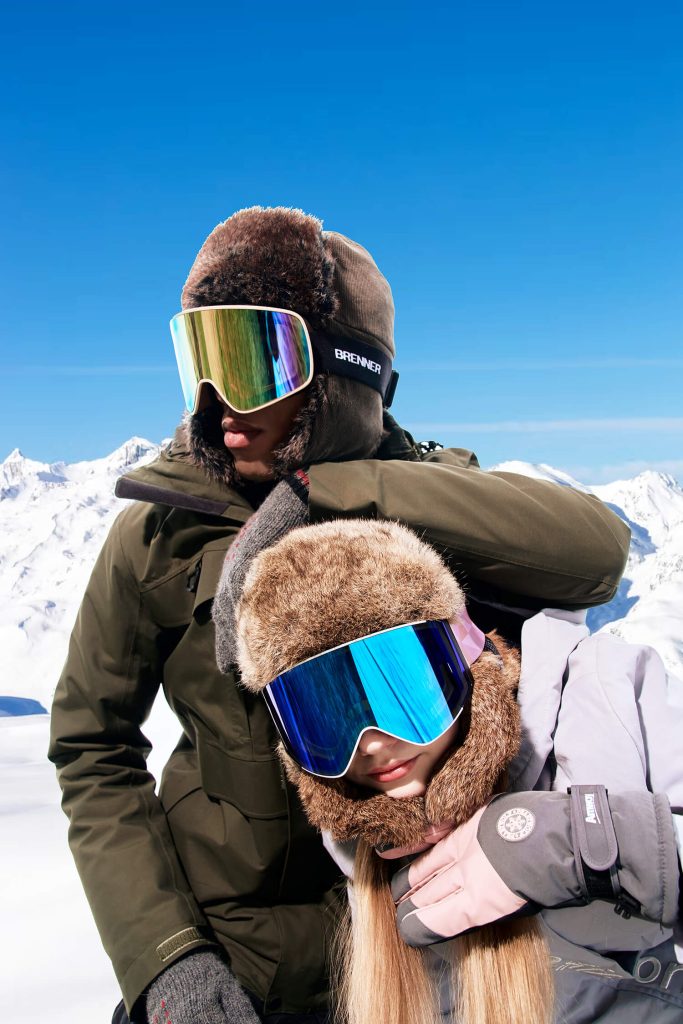
Ski goggle sizes are typically categorized into S, M, and L, or labeled as Asian Fit. The right size depends on your face shape, nose bridge height, and helmet style.
- Small faces or most women: Choose S–M or frames labeled “Small / Women” to avoid oversized frames pressing on the nose bridge or cheekbones.
- Average adult face: M–L is the most common size and fits the majority of users.
- Asian Fit: Designed for skiers with lower nose bridges and flatter face shapes. The nose padding and foam contouring offer better sealing and reduce wind leakage.
- For eyeglass wearers: Choose OTG (Over The Glasses) goggles or use prescription insert systems for a more stable, fog-resistant setup.
選購時建議將滑雪眼鏡與安全帽一起試戴,確認鏡框與帽緣銜接順暢,額頭不會留下明顯縫隙,亦不會擠壓到帽內襯。
Different Lens Colors & Recommended User Scenarios
滑雪眼鏡的鏡片顏色不只是外觀差異,也會影響對比度、色彩與整體明暗感受。以下是常見顏色與建議用途:
- Grey / Smoke: Neutral light reduction with no yellow or red tint. Maintains natural color perception. Ideal for most sunny days.
- Brown / Amber: Enhances terrain contrast, making bumps and uneven surfaces more visible. Great for variable weather and tree runs.
- Yellow / Gold: Brightens low-light environments such as cloudy days, fog, snowstorms, or late afternoon conditions, improving terrain visibility.
- Rose / Pink: Softens visual harshness and reduces eye fatigue during long sessions. Suitable for medium light or complex terrain.
- Dark or multi-layer mirrored colors (Blue, Green, Red): Typically paired with low VLT for strong sunlight or high-altitude skiing, offering both style and function.
Quick Recommendation: If you plan to buy only one pair of goggles, choose brown/amber or rose lenses with S2 VLT — the most versatile for various weather conditions. For beautiful photos on bluebird powder days, add a dark mirrored S3/S4 lens.
Further Reading:How to Choose Sunglasses Lens Colors? Understanding 6 Lens Color Effects for Optimal Eye Protection!
Advanced Features: Photochromic, interchangeable, and magnetic lens system
Photochromic Lenses
Automatically adjust tint based on UV intensity — great for variable weather from cloudy to sunny.
- Pros: One lens covers most conditions.
- Note: Needs 1–2 minutes to react; be cautious when entering shaded areas suddenly.
Interchangeable Lenses
可更換鏡片設計讓你可以根據天候準備不同 VLT 與顏色的鏡片,抵達雪場前再決定當天使用哪一片,或隨時在纜車上快速更換,讓滑雪眼鏡的應用彈性大幅提升。
High-end models often feature:
- Magnetic Lens System: The lens attaches to the frame with magnets, allowing you to lift and snap the lens into place for ultra-fast changes — even while wearing gloves.
- Locking Notch + Magnetic Hybrid System: Combines magnetic attachment with mechanical locking points to prevent the lens from coming off during falls or heavy impacts, offering both convenience and enhanced safety.
Further Reading:Sunglasses Lens Grade Overview: Complete Analysis of 5 Lens Types - Choose the Right Style with Confidence!
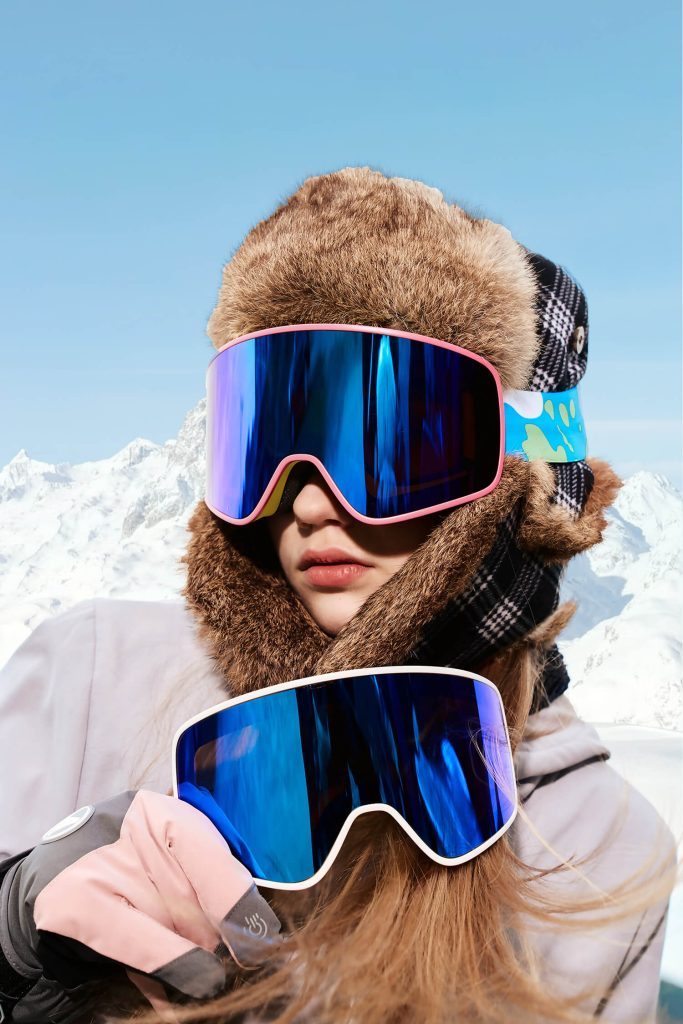
Essential Safety Features: UV Protection, Anti-Scratch & Impact Resistance
Beyond visual clarity and comfort, the primary purpose of ski goggles is to protect your eyes. When choosing a pair, make sure the following features are included:
- 100% UV400 Protection: Blocks both UVA and UVB rays, preventing damage to the cornea and retina — especially important at high-altitude ski resorts where UV exposure is stronger.
- PC (Polycarbonate) Lenses: Known for high impact resistance and durability. Even if you fall or get hit by a snowboard or tree branch, the lens is much less likely to crack or shatter.
- Anti-Scratch Coating: Reduces the formation of fine scratches and helps maintain long-term clarity. Still, it’s best to store goggles in a protective pouch or hard case.
- Certified Safety Standards: Goggles that meet European, North American, or other recognized safety certifications offer more reliable performance and quality assurance.
Goggle Care & Storage Tips: Extend the Lifespan of Your Gear
再好的滑雪眼鏡如果保養不當,很快就會霧化、刮傷或變形。簡單幾個習慣就能有效延長壽命:
- Avoid touching the inner lens: The anti-fog coating is usually applied on the inside. Wiping it with fingers or gloves can damage the coating and reduce anti-fog effectiveness.
- Let moisture air-dry naturally: If snow or water gets on the lens, gently shake it off or let it air-dry. Once dry, use a microfiber cloth to lightly dab away any remaining moisture.
- Use a microfiber cloth and protective pouch: Avoid towels or tissues, which can cause scratches. Make sure the lens is dry before storing it in a soft pouch or hard case.
- Keep away from high heat: Do not leave goggles in a hot car or near heat sources, as high temperatures can degrade lens coatings and anti-fog layers.
Beginner Mistakes & Common Pitfalls to Avoid
- Choosing based only on appearance, ignoring VLT and function: Some beginners pick goggles just because the lens color looks nice. As a result, they struggle to see terrain on cloudy days or get blinded by strong sunlight on sunny days.
- Wearing a mask tightly against the nose without considering ventilation: Warm air from the mask travels upward and fogs up the lenses instantly. Leave a small gap between the top edge of the mask and the goggles, or choose a more breathable face covering.
- Wiping fog with your hands: Although it seems to work temporarily, wiping can scratch the lens and damage the anti-fog coating, making fogging even worse over time.
- Ignoring helmet–goggle compatibility: Mismatched brands or sizes may leave a gap on the forehead, allowing cold air to enter. This causes discomfort and watery eyes.
Ski GogglesFrequently Asked Questions (FAQ)
Q1: I usually wear sunglasses. Can I use them for skiing?
不建議。一般太陽眼鏡多半無法完全阻擋側面與下方的風雪,鏡片抗衝擊性也不足,跌倒時有較高破裂風險,滑雪眼鏡在包覆性、防風、防霧與抗衝擊上都更為安全。
Q2: I ski only once a year. Do I need more than one lens?
If you're on a budget, start with an S2 VLT all-purpose lens, which balances brightness and contrast for most weather conditions. For frequent sunny days or high-altitude resorts, consider adding a darker lens or a photochromic option.
Q3: Why do my ski goggles still fog up even when I wear them correctly?
Common causes include: The inner lens has been wiped, damaging the anti-fog coating. Helmet padding or headwear blocks the ventilation ports. Mask or neck warmer directs warm air directly into the goggles. Check airflow paths and adjust your helmet and mask positioning if needed.
Q4: Can I still use goggles with scratched lenses?
Light surface scratches typically won’t affect protection, but they may cause glare in backlight or nighttime conditions. If scratches are deep or in the center of your field of vision, consider replacing the lens or the goggles for safety.
Choose the Right Ski Goggles for a Safer, Better Snow Season
Choosing the right goggles directly affects your visibility, eye health, and overall skiing experience. By focusing on the four key principles — anti-fog design, polarized/mirror features, VLT selection, and proper fit — and pairing them with suitable lens colors and advanced features, you can find the ideal pair with ease.
Whether you're a first-time skier stepping onto the slopes or an advanced rider chasing speed and powder, a reliable and comfortable pair of ski goggles will be your best partner in conquering the mountain and enjoying the freedom of the snow.
Further Reading:
Children’s Sports Sunglasses: 5 Key Factors to Consider for Optimal Eye Protection
Running Sunglasses Guide: 10 Key Factors and the Top 6 Sunglasses Recommended for Runners